Category: Energy-Infrastructure
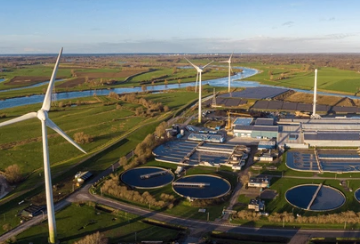
  • The Role of Digital Twins in the Energy Transition of Industry

    The Role of Digital Twins in the Energy Transition of Industry

    economie d energie

    Digital twins—virtual replicas of physical assets, processes, or systems—are revolutionizing industries by enabling real-time monitoring, simulation, and analysis. In the energy sector, they play a pivotal role in facilitating the transition towards more sustainable and efficient operations. By integrating digital twins, industries can optimize energy consumption, incorporate renewable energy sources, and enhance overall operational efficiency.

    Optimizing Energy Consumption

    Digital twins provide a comprehensive view of energy usage across industrial operations. By collecting and analyzing data from various sensors and devices, they enable precise monitoring of energy flows. This real-time insight allows for the identification of inefficiencies and the implementation of targeted strategies to reduce energy waste. For instance, digital twins can simulate different operational scenarios to determine the most energy-efficient configurations, leading to significant cost savings and a reduced environmental footprint.

    Facilitating Renewable Energy Integration

    The shift towards renewable energy sources is a cornerstone of the global energy transition. Digital twins assist in this shift by modeling and managing the integration of renewable energy into existing systems. They enable the simulation of various scenarios involving renewable energy sources like wind and solar, assessing their impact on operations and ensuring seamless integration. This capability is crucial for balancing energy supply and demand, especially when dealing with the intermittent nature of renewables.

    Enhancing Predictive Maintenance

    Maintenance of energy infrastructure is critical for ensuring reliability and efficiency. Digital twins facilitate predictive maintenance by continuously monitoring the condition of equipment and predicting potential failures before they occur. This proactive approach minimizes downtime, extends the lifespan of assets, and optimizes maintenance schedules, all of which contribute to more efficient energy use and reduced operational costs.

    Economie d energie 2


    Improving Grid Management

    In the context of energy distribution, digital twins offer significant benefits for grid management. They provide real-time visibility into grid operations, enabling operators to monitor performance, predict issues, and optimize the distribution of energy. This leads to improved reliability, reduced outages, and more efficient use of resources. Moreover, digital twins can simulate the impact of new energy policies or technologies on the grid, aiding in strategic planning and decision-making.

    Supporting Decarbonization Efforts

    Reducing carbon emissions is a primary goal of the energy transition. Digital twins contribute to decarbonization by enabling more efficient energy use and facilitating the integration of low-carbon technologies. By providing detailed insights into energy consumption patterns and emissions, they help industries identify areas for improvement and track progress towards sustainability targets.


    Economie d energie 3


    Challenges and Considerations

    While digital twins offer numerous benefits, their implementation comes with challenges. Ensuring data accuracy and quality is paramount, as digital twins rely on vast amounts of data from various sources. Cybersecurity is another critical concern, given the potential vulnerabilities associated with interconnected digital systems. Additionally, developing standardized frameworks and protocols is essential for the widespread adoption and interoperability of digital twin technologies.

    Conclusion

    Digital twins are instrumental in driving the energy transition within industries. By providing real-time insights, enabling predictive maintenance, and facilitating the integration of renewable energy sources, they help optimize energy consumption and reduce carbon emissions. As industries continue to embrace digitalization, the role of digital twins will become increasingly central in achieving sustainable and efficient energy systems.

  • How SmartShape Improves Water Network Management Through Photogrammetry

    How SmartShape Improves Water Network Management Through Photogrammetry

    watter treatment 2

    Managing water networks is a complex challenge that requires a deep understanding of existing infrastructures, precise planning of interventions, and effective coordination among various stakeholders. With increasing demands for safety, efficiency, and sustainability, network managers are seeking innovative solutions to optimize their operations. This is where SmartShape, with its digital twin technology and photogrammetry, comes into play.

    What is Photogrammetry?

    Photogrammetry is a technique that involves using photographs to measure and model objects and spaces. By taking photos from different angles and combining them using advanced software, it’s possible to create accurate 3D models. These models can then be used to analyze, plan, and manage complex infrastructures such as water networks.

    The Challenges of Managing Water Networks

    Managing water networks involves several major challenges:

    1. Complexity of Infrastructures: Water networks are often vast and complex, spanning large geographical areas with numerous connection points and interactions.
    2. Preventive and Reactive Maintenance: The need to keep the network in good working order, preventing failures and reacting quickly to incidents, requires efficient planning and execution.
    3. Safety and Compliance: Water networks must be managed in compliance with strict regulations to ensure the safety of water supply and environmental protection.
    4. Data Management: Data collected from sensors, inspections, and interventions must be centralized and analyzed for informed decision-making.

    SmartShape and Photogrammetry: An Innovative Solution

    SmartShape offers an innovative solution to these challenges by integrating photogrammetry into its digital twins. Here’s how this technology improves water network management.

    1. Accurate and Comprehensive Modeling

    Photogrammetry enables the creation of extremely accurate 3D models of water network infrastructures. These models include all the necessary details to understand the layout and condition of the installations. With SmartShape, these models can be visualized and analyzed intuitively, facilitating the planning and management of interventions.

    2. Data Centralization and Accessibility

    SmartShape centralizes all relevant data, whether it comes from photogrammetry, IoT sensors, 2D plans, or enterprise databases. This centralization allows for easy and quick access to all the information needed for managing water networks. Data is accessible in real time and can be shared among different stakeholders, enhancing collaboration and decision-making.

    3. Predictive and Reactive Maintenance

    Thanks to SmartShape’s modeling and analysis capabilities, predictive maintenance programs can be implemented. By continuously monitoring the state of infrastructures and analyzing the collected data, SmartShape helps anticipate failures and plan interventions before major problems occur. In case of an incident, digital twins enable rapid and effective responses by providing precise information on the condition and location of affected elements.

    4. Enhanced Safety and Compliance

    SmartShape’s digital twins integrate advanced security features to ensure the protection of sensitive data. Additionally, the ability to model and analyze infrastructures in detail helps ensure that all interventions and operations comply with current regulations. This is essential for ensuring the safety of water supply and minimizing environmental risks.

    5. Cost and Resource Optimization

    By improving the efficiency of water network management, SmartShape helps reduce operational costs. Predictive maintenance, precise intervention planning, and reduced downtime contribute to optimizing resource use and minimizing expenses. Additionally, the ability to centralize and analyze data allows for the identification of improvement opportunities and further savings.

    6. Real-World Case Studies: Suez

    A concrete example of SmartShape’s application in water network management is the project carried out with Suez. Suez used SmartShape to create a digital twin of its sewer network using photogrammetry. This digital twin covers more than 400 km and combines photogrammetric and BIM (Building Information Modeling) models.

    The benefits of this project include:

    • Knowledge Management: The digital twin allows for the centralization of all information about the sewer network, facilitating knowledge management and intervention preparation.
    • Intervention Optimization: By providing accurate and up-to-date models of the infrastructures, SmartShape helps plan and execute interventions more efficiently, reducing costs and service interruptions.
    • Safety Improvement: The ability to visualize and analyze infrastructures in detail ensures that all operations are carried out in compliance with safety standards.

    Conclusion

    Managing water networks is a complex field that requires innovative solutions to meet increasing demands for safety, efficiency, and sustainability. SmartShape, with its digital twin technology and photogrammetry, offers a powerful solution to these challenges. By enabling accurate modeling, data centralization, predictive maintenance, enhanced safety, and cost optimization, SmartShape transforms the way water networks are managed.

    Concrete examples, such as the project with Suez, demonstrate the significant impact of this technology on managing critical infrastructures. By adopting SmartShape, water network managers can not only improve their current operations but also proactively and effectively prepare for future challenges.
