Category: Expertise

  • Reducing Operational Costs with Digital Twins in Industry

    Reducing Operational Costs with Digital Twins in Industry

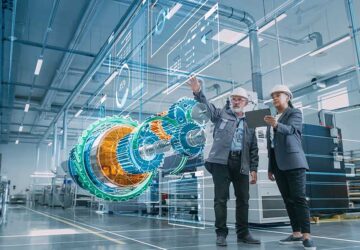
    In the modern industrial world, operational efficiency and cost reduction are paramount priorities. Companies are constantly seeking innovative ways to optimize their processes and improve profitability. Digital twins, particularly the SmartShape solution, represent a major technological advancement that enables these objectives. This article explores how SmartShape helps reduce operational costs through its advanced features and seamless integration into various industrial sectors.

    Optimiser_ses_couts_enhanced

    What is a Digital Twin?

    A digital twin is a virtual replica of a physical process, product, or service. This technology allows for the simulation, analysis, and prediction of the behavior and performance of its physical counterparts. In other words, a digital twin provides a detailed, real-time digital view of physical objects and systems, enabling proactive management and informed decision-making.

    With SmartShape, this simulation becomes not only more precise but also more intuitive and collaborative. The SmartShape platform centralizes complex data and makes it comprehensible through clear and accessible visualizations. This enables companies to better manage their resources and continuously optimize their operations.

    Maintenance_predictive_enhanced

    Predictive Maintenance: Anticipate to Manage Better

    One of the most promising applications of digital twins is predictive maintenance. Traditionally, companies perform preventive maintenance on a fixed schedule or react to failures as they occur. These approaches can lead to high costs, either due to excessive maintenance or unplanned downtime.

    Thanks to the integration of artificial intelligence and data analysis capabilities, SmartShape enables precise predictive maintenance. By monitoring the conditions and performance of equipment in real time, SmartShape can anticipate potential failures and recommend interventions before they cause disruptions. This reduces unplanned downtime, extends equipment life, and minimizes maintenance costs.

    Process Optimization: Improving Efficiency

    SmartShape’s digital twins also offer a tremendous opportunity for process optimization. By simulating different operational scenarios, companies can identify inefficiencies and test solutions without interrupting real operations. This simulation capability allows for continuous optimization and significant reduction in waste and losses.

    For example, a manufacturing company can use SmartShape to model and analyze its production process. By identifying bottlenecks and friction points, the company can adjust its procedures to improve workflow, increase productivity, and reduce costs.

    Enhanced Collaboration: Working Together, Better

    Collaboration is essential for any organization, especially when it comes to complex projects involving multiple stakeholders. SmartShape offers a collaborative mode where all stakeholders can access and interact with the digital twin in real time. This facilitated collaboration enables quick and informed decision-making, reducing delays and communication costs.

    Imagine a naval construction project where engineers, architects, and project managers work together. With SmartShape, they can all view the same 3D model of the ship, make real-time modifications, and synchronize their efforts. This reduces communication errors, avoids delays, and ensures everyone works from the same up-to-date information.

    planification_et_coordination_enhanced

    Planning and Coordination: Seeing to Forecast

    The visualization of complex data in 3D is another major advantage of digital twins. With SmartShape, companies can improve the planning and coordination of their projects. Teams can better manage resources, anticipate needs, and avoid costly delays.

    For example, during the construction of a new industrial facility, teams can use SmartShape to create a detailed 3D model of the facility. This allows for efficient planning of material use, coordination of different trades, and anticipation of potential problems before they occur. This proactive approach reduces costs and improves the overall efficiency of the project.

    Case Studies: Concrete Successes

    Chantier de l’Atlantique

    The adoption of SmartShape by Chantier de l’Atlantique is a concrete example of how digital twins can reduce operational costs. Before implementing SmartShape, the company used 2D paper plans for ship construction. This method was not only labor-intensive but also prone to errors and inefficiencies.

    By adopting SmartShape, Chantier de l’Atlantique replaced paper plans with a collaborative 3D digital twin. This significantly reduced errors, improved team coordination, and decreased operational costs. More than 10 ships were efficiently built using this technology, demonstrating the tangible benefits of the digital approach.

    Suez

    Another example is Suez’s application of SmartShape for managing its sewer network. By modeling the network in photogrammetry, Suez optimized intervention management and reduced maintenance and safety costs. The hybrid digital twin enabled fast 3D streaming and efficient management of over 400 km of network.

    Thanks to SmartShape, Suez was able to manage knowledge and prepare interventions more effectively, improve quality, health, safety, and environment (QHSE), and optimize costs. The speed of 3D streaming, up to 200 times faster, allowed real-time visualization and quick decision-making.

     A Solution for the Future

    Integrating SmartShape’s digital twins into industrial processes represents a major advancement in reducing operational costs. By centralizing data, facilitating collaboration, and enabling continuous optimization, SmartShape helps companies achieve maximum operational efficiency.

    For industrial companies, adopting SmartShape means not only reducing costs but also staying competitive in an increasingly technological environment. By leveraging the capabilities of digital twins, companies can transform their operations, improve profitability, and prepare for the future.

    To learn more about how SmartShape can transform your business, visit our website or contact our team of experts. Adopt SmartShape and get ahead in Industry 4.0!

  • Press Review: SmartShape in the Spotlight of Specialized Media

    Press Review: SmartShape in the Spotlight of Specialized Media

    Press review
    We are excited to share recent media coverage highlighting SmartShape. The esteemed publication Digital Twin Insider has recently published an in-depth article on the revolutionary impact of digital twins in the surveying and construction sectors, with a particular focus on the advancements brought by SmartShape.

    Digital Twin Insider: A Well-Deserved Recognition

    In the article titled Digital Twins Disrupting Surveying & Construction Through SmartShape, Digital Twin Insider details how SmartShape is redefining industry standards with its intelligent and collaborative digital twin solutions. Here are the key points discussed in the article:

    Innovation Serving the Industry

    The article highlights how SmartShape, a solution of connected, programmable, and collaborative digital twins, simplifies complex data management and enhances operational efficiency. By centralizing data in a single collaborative platform, SmartShape makes it understandable and accessible through sophisticated visual representations.

    Real-World Use Cases

    Digital Twin Insider presents several real-world examples demonstrating the effectiveness of SmartShape:

    • Chantier de l’Atlantique: Utilizing a collaborative 3D digital twin to replace 2D paper plans, facilitating the construction of over 10 ships.
    • Suez: Creating a digital twin of the sewer network using photogrammetry for optimal knowledge management and intervention preparation.
    • Bureau Veritas: Implementing a collaborative 4D digital twin to replace 2D PDF plans, connected to a comment management platform.

    A Versatile and Secure Solution

    The article also highlights SmartShape’s competitive advantages, such as its universal accessibility, seamless integration with all CAD software, and military-grade data security. Available on tablets and web via 3D streaming, SmartShape is compatible with a variety of data sources and models, offering a flexible and secure solution for industry professionals.

    A Platform for Digital Transformation

    By integrating innovative technologies such as artificial intelligence, photogrammetry, and real-time 3D streaming, SmartShape transforms industrial processes without alteration. This leads to significant cost savings, optimized maintenance, and improved project planning and coordination.

    To learn more, we invite you to read the full article on Digital Twin Insider’s website here. Discover how SmartShape continues to position itself as a leader in the field of digital twins, revolutionizing the construction industry and beyond.


    This press coverage is further evidence of SmartShape’s impact in the world of technology and industry. We are proud to see our innovations recognized by industry experts and to continue providing cutting-edge solutions to our clients. For more information about our products and solutions, please visit our website SmartShape.

  • How SmartShape Facilitates Multi-Stakeholder Project Management

    How SmartShape Facilitates Multi-Stakeholder Project Management

    Managing multi-stakeholder projects is a complex task that requires effective coordination, clear communication, and precise data management. With the multitude of stakeholders, tasks, and responsibilities, it becomes essential to have robust tools to navigate this complexity. SmartShape is an innovative solution that simplifies these challenges by centralizing data and facilitating real-time collaboration. In this article, we will explore how SmartShape transforms the management of multi-stakeholder projects.

    I. The Challenges of Multi-Stakeholder Projects

    1. Complexity of Coordination
      • Multi-stakeholder projects often involve geographically dispersed teams, each with specific tasks and responsibilities. Coordinating these teams to work harmoniously together is a major challenge.
    2. Communication Problems
      • Communication between different stakeholders can be complicated. Information must be exchanged precisely to avoid misunderstandings and misinterpretations that can delay the project.
    3. Data Management
      • Complex projects generate a large amount of data. Centralizing this data to make it easily accessible and secure is crucial for the project’s success.

    Cooperation 3

    II. Introduction to SmartShape

    1. What is SmartShape?
      • SmartShape is a software solution for connected, programmable, and collaborative digital twins. This industrial metaverse allows the collection and visualization of complex data in a comprehensible and accessible manner.
    2. Specific Benefits for Multi-Stakeholder Project Management
      • Data Centralization: SmartShape offers a unique platform where all project information is centralized, eliminating information silos.
      • Universal Accessibility: Compatible with various CAD software, SmartShape ensures that all stakeholders can access data from any device.

    III. How SmartShape Simplifies Coordination

    1. Centralization of Information
      • By centralizing all relevant information into a single source of truth, SmartShape eliminates duplicates and inconsistencies. Teams can collaborate more effectively, always having access to the latest project updates.
    2. Real-Time Tracking
      • SmartShape enables real-time tracking of project progress, with instant updates accessible to all stakeholders. Whether online or offline, teams can collaborate seamlessly and responsively.

    IV. Improving Communication

    1. Integrated Communication Platform
      • SmartShape integrates chat and messaging features, facilitating communication between teams. Documents can be shared and annotated in real time, reducing the risk of misunderstandings.
    2. Transparency and Traceability
      • With modification and decision history, SmartShape offers total transparency. Each stakeholder can see who did what and when, enhancing trust and accountability.

    V. Effective Data Management

    1. Data Security
      • SmartShape uses advanced security protocols, such as AES encryption, to protect data. This approach ensures that sensitive information is always secure, even in multi-stakeholder environments.
    2. Accessibility and Compatibility
      • Data stored in SmartShape is accessible from any device compatible with web standards, facilitating the work of dispersed teams. Moreover, SmartShape is compatible with various file types and software, simplifying data integration.

    VI. Case Study: Successful Application of SmartShape

    1. Project Presentation
      • Chantier de l’Atlantique used SmartShape to replace 2D paper plans with a collaborative 3D digital twin. This ambitious project involved over 10 ships built, 3 million unique elements, and 1000 users via Active Directory.
    2. Implementation of SmartShape
      • By integrating SmartShape, the shipyard was able to centralize all information and improve coordination between teams. The results were significant: cost reduction, improved efficiency, and deadlines met.
    3. Stakeholder Testimonials
      • SmartShape users reported a notable improvement in collaboration and a reduction in errors thanks to data centralization and increased transparency.

    In summary, SmartShape offers a comprehensive solution to overcome the challenges of managing multi-stakeholder projects. Its ability to centralize data, improve communication, and ensure data security makes it an indispensable tool for modern industries. If you are looking to optimize your multi-stakeholder projects, SmartShape is the solution you need. To learn more, visit SmartShape.

    Cooperation 2

    FAQ

      • Q: How does SmartShape ensure data security?
        • A: SmartShape uses advanced encryption protocols to ensure that all data is secure.
      • Q: Is SmartShape compatible with all CAD software?
        • A: Yes, SmartShape is compatible with all major CAD software, including Catia, SolidWorks, and Revit.
  • Integration of SmartShape with IoT: Transform Your Data into Action

    Integration of SmartShape with IoT: Transform Your Data into Action

    The Internet of Things (IoT) is revolutionizing the way companies collect and use data. Imagine a world where every piece of industrial equipment, every machine, and every sensor is connected and communicates in real-time. Now, add to this the power of SmartShape’s digital twins, and you get a solution that transforms this data into concrete, optimized actions for your business.

    IoT and SmartShape are two cutting-edge technologies that, when combined, offer significant advantages for modern industries. IoT allows for real-time data collection from various connected devices, while SmartShape provides a collaborative and interactive platform to visualize and analyze this data. The integration of these two technologies enables real-time monitoring, predictive maintenance, and optimization of industrial processes, paving the way for more efficient and intelligent operations.

    In this article, we will explore the benefits of integrating SmartShape with IoT.

     IOT1

    1. Understanding IoT and SmartShape

    Definition of IoT

    The Internet of Things (IoT) refers to the interconnection of physical devices via the Internet, allowing these devices to collect and exchange data. In an industrial context, this means that equipment such as machines, sensors, and other measuring instruments can be connected to share real-time information. IoT facilitates continuous monitoring of operations, precise data collection, and proactive equipment management, which is essential for improving efficiency and productivity.

    Introduction to SmartShape

    SmartShape is an advanced digital twin software solution that centralizes and visualizes complex data in a comprehensible and accessible manner. It is a collaborative and programmable industrial metaverse that integrates various data sources, from 2D and 3D models to business data from spreadsheets, APIs, sensors, ERP, PLM, and MES. SmartShape allows intuitive and interactive data visualization, thus facilitating decision-making and real-time collaboration, whether online or offline.

    The Benefits of Integration

    Integrating IoT with SmartShape offers numerous advantages. By combining the real-time data collection capabilities of IoT with SmartShape‘s visualization and analysis capabilities, companies can proactively monitor their operations, anticipate issues before they occur, and optimize processes to reduce costs and improve efficiency. This integration also enables the creation of predictive models based on real data, providing increased accuracy and responsiveness in managing industrial operations. In summary, integrating IoT and SmartShape transforms raw data into actionable information, thus facilitating concrete and optimized actions for the enterprise.

    Monitoring

    2. The Benefits of IoT-SmartShape Integration

    Real-Time Responsiveness

    One of the main advantages of integrating SmartShape with IoT is the ability to monitor operations in real-time. Data collected by IoT sensors is immediately available in SmartShape, allowing managers to instantly see the performance of equipment and processes. For example, in a production plant, sensors can detect overheating or excessive vibration, and this data is transmitted to SmartShape for immediate analysis. Operators can then take corrective action before a major issue arises, thus reducing downtime and repair costs.

    Process Optimization

    The integration of IoT with SmartShape also allows for the optimization of industrial processes. With access to real-time data and detailed visualizations, companies can identify inefficiencies and bottlenecks in their operations. For instance, IoT data might reveal that certain machines are operating below optimal capacity. By analyzing this data in SmartShape, managers can adjust processes to maximize equipment utilization, improve production flow, and reduce operational costs.

    Improved Predictive Maintenance

    One of the most important benefits of IoTSmartShape integration is improved predictive maintenance. IoT sensors continuously collect data on equipment conditions, such as temperature, pressure, and vibrations. This data is then analyzed by SmartShape to detect early signs of potential failures. For example, a gradual increase in vibrations might indicate wear on mechanical components. By identifying these early signs, companies can plan maintenance interventions before a breakdown occurs, thereby reducing unplanned downtime and repair costs.

    3. Application Examples

    • Energy Industry: In the energy sector, the integration of SmartShape with IoT sensors enables real-time monitoring of production and distribution infrastructures. The collected data can help optimize the performance of turbines, transformers, and distribution networks, thereby reducing energy losses and increasing overall efficiency.
    • Water Treatment: Water networks can be monitored in real time using IoT sensors integrated with SmartShape. This allows for the rapid detection of leaks, pressure anomalies, and other issues, facilitating proactive management and quick intervention.
    • Naval Sector: In the naval industry, SmartShape‘s digital twins integrated with IoT can monitor the real-time performance of ships, including engines, propulsion systems, and navigation conditions. This enables route optimization, reduces fuel consumption, and ensures that ships are maintained in optimal operating condition.

    IOT 2

    The integration of SmartShape with IoT offers significant advantages for industrial companies. It enables real-time monitoring, process optimization, and enhanced predictive maintenance. By transforming raw data into actionable insights, companies can anticipate issues, reduce costs, and improve operational efficiency.

    In summary, this integration represents a strategic opportunity to remain competitive in Industry 4.0. To discover how SmartShape can transform your data into concrete actions, contact our team and start your transition to smarter and more efficient operations management.

  • Security and Data Sovereignty: How SmartShape Ensures the Protection of Sensitive Information

    Security and Data Sovereignty: How SmartShape Ensures the Protection of Sensitive Information

    Context and Importance: In the current context of Industry 4.0, where digital technologies are revolutionizing industrial operations, data security has become a top priority. Companies handle an unprecedented volume of sensitive and complex data, necessitating robust protection measures to prevent cyberattacks and ensure information confidentiality. SmartShape, a digital twin solution, stands out by placing data security and sovereignty at the heart of its architecture. This article explores how SmartShape guarantees the protection of sensitive information while offering maximum operational flexibility.

    1. The Challenges of Data Security in Industry

    Complexity and Sensitivity of Industrial Data: Industrial companies handle diverse types of data, ranging from product designs and manufacturing processes to operational and maintenance information. These data, often fragmented and stored in disparate systems, are vulnerable to cyber threats. The consequences of data breaches can be severe, including loss of intellectual property and costly operational disruptions​ ​.

    Regulations and Security Standards: Compliance with international regulations such as ISO/IEC 27001 and the General Data Protection Regulation (GDPR) is crucial for industrial companies. These standards define strict frameworks for managing and protecting data, imposing rigorous security measures to prevent breaches and ensure information confidentiality​ ​.

    2. Security Measures Implemented by SmartShape

    Data Encryption: SmartShape uses Advanced Encryption Standard (AES) encryption to protect sensitive data both in transit and at rest. AES encryption is internationally recognized for its robustness and is used by organizations such as the National Institute of Standards and Technology (NIST) and the National Security Agency (NSA) in the United States. This technology ensures that data is unreadable by unauthorized parties, thereby guaranteeing its confidentiality and integrity​ .

    Hosting on Dedicated Servers: A distinctive feature of SmartShape is the ability for clients to host the software and data on their own dedicated servers. This provides complete isolation from the internet, thus reducing the risks of external intrusion. Compared to public cloud solutions, this approach offers a higher level of control and security, allowing companies to manage their data autonomously and in compliance with their internal security policies​ ​.

    Use of Standard and Open Technologies: SmartShape relies on proven open technologies such as OpenSSL for encryption and Trusted Platform Modules (TPM) for hardware security. The use of these standards not only ensures enhanced security robustness but also provides transparency and interoperability with other security systems. These measures contribute to a reinforced protection of sensitive data while facilitating their management and integration into various IT environments​ ​.

    3. Ensuring Data Sovereignty

    Portability and Reversibility of Solutions: SmartShape offers maximum flexibility by allowing data migration between different environments without compromising their integrity. The portability and reversibility of solutions enable companies to maintain full control over their data, avoiding vendor lock-in and ensuring operational continuity even in case of provider changes​ .

    Client Autonomy in Data Management: With the self-hosting option, SmartShape clients have total control over their data. This autonomy is crucial for sensitive sectors such as defense and critical infrastructure, where data sovereignty is essential to ensure national security and service resilience​.

    4. Practical Cases of Security and Sovereignty with SmartShape

    Military Sector: SmartShape has been successfully deployed in demanding military environments where data security and sovereignty are top priorities. For instance, military applications of SmartShape enable secure operational planning and predictive maintenance while ensuring the confidentiality of strategic information​ ​.

    Energy Industry: In the energy sector, SmartShape helps manage sensitive data related to the operations and maintenance of critical infrastructure. The integration of digital twins with advanced security systems ensures the protection of crucial information and the continuity of operations​ ​.

    Water Treatment and Critical Infrastructure: Water treatment companies use SmartShape to secure data from their supply and treatment networks. The ability of SmartShape to offer a real-time overview and protect sensitive information is essential to ensure the safety and efficiency of operations​ ​.

    5. Challenges and Solutions for Data Security

    Current Challenges: The increasing complexity of cyber threats requires continuous adaptation of security measures. Companies must face sophisticated attacks and increasingly stringent regulations, necessitating constant vigilance and investment in cutting-edge technologies to protect data​ ​.

    Solutions and Best Practices: To address these challenges, SmartShape adopts a proactive approach by integrating advanced cybersecurity technologies and continuously training teams on best security practices. SmartShape’s commitment to data security and sovereignty helps companies protect their digital assets and comply with the most rigorous international standards​ ​.

    Conclusion

    Summary of Key Points: Data security and sovereignty are crucial challenges for modern industrial companies. SmartShape offers robust solutions to protect sensitive information and ensure compliance with international regulations. By integrating advanced security technologies and offering flexible hosting options, SmartShape allows companies to manage their data autonomously and securely.

    Call to Action: To stay competitive in Industry 4.0, it is essential to adopt solutions that guarantee data security and sovereignty. Contact SmartShape to discover how their solutions can help your company protect its sensitive information and optimize its operations.

  • Revolutionizing Predictive Maintenance with Digital Twins and AI

    Revolutionizing Predictive Maintenance with Digital Twins and AI

    Maintenance Prédicitive

    Unplanned downtime can be a significant drain on resources, costing industrial manufacturers billions annually. However, with advancements in technology, companies now have powerful tools to mitigate these losses. Digital twins, paired with artificial intelligence (AI), are transforming predictive maintenance, offering substantial cost savings and enhanced operational efficiency. This article delves into how these technologies, particularly those developed by SmartShape, are revolutionizing maintenance strategies across various industries.

    Understanding Predictive Maintenance

    Predictive maintenance is a proactive approach that involves monitoring the condition of equipment during normal operation to reduce the likelihood of failures. Unlike reactive maintenance (repairing after a failure) or preventive maintenance (scheduled based on time or usage), predictive maintenance aims to predict failures before they occur, thereby minimizing downtime and maintenance costs. However, traditional predictive maintenance faced challenges such as the high cost of sensors and data analysis limitations.

    Introduction to Digital Twins

    Digital twins are virtual replicas of physical assets, processes, or systems that allow for real-time monitoring and simulation. They consist of sensors that collect data, analytical tools that process this data, and simulation models that predict future performance. By creating a digital counterpart of a physical asset, companies can monitor conditions, predict outcomes, and optimize performance. Industries such as manufacturing, aerospace, and energy have started leveraging digital twins to enhance their operational capabilities.

    SmartShape offers a robust digital twin solution that integrates seamlessly with various industrial applications, providing real-time insights and predictive analytics to optimize asset management and maintenance strategies.

    Role of AI in Enhancing Digital Twins

    Artificial intelligence plays a crucial role in maximizing the potential of digital twins. AI, particularly machine learning and advanced data analytics, can process vast amounts of data generated by digital twins. This integration allows for real-time analysis and decision-making, making predictive maintenance more accurate and efficient. AI algorithms can identify patterns and anomalies that human operators might miss, enabling proactive measures to prevent failures.

    SmartShape’s platform leverages AI to enhance the capabilities of digital twins, offering advanced predictive maintenance solutions that are transforming industries.

    Case Studies and Real-World Applications

    Manufacturing: A leading automotive manufacturer implemented digital twins and AI to monitor its assembly lines. Sensors installed on machinery provided real-time data, which AI analyzed to predict equipment failures. This approach reduced unplanned downtime by 20% and maintenance costs by 15%.

    Energy Sector: In a power plant, digital twins of turbines and other critical infrastructure allowed operators to monitor performance continuously. AI analyzed data from various sensors to predict component failures and optimize maintenance schedules, enhancing operational reliability and efficiency.

    Aerospace: Airlines have adopted digital twins and AI to maintain aircraft. By continuously monitoring engines and other critical systems, these technologies help predict maintenance needs, ensuring safety and reducing downtime. For instance, a major airline reported a 25% decrease in unscheduled maintenance events after implementing these technologies.


    Maintenance Prédicitive 2

    Benefits of Digital Twins and AI in Predictive Maintenance

    Cost Savings: The primary benefit is the reduction in downtime and maintenance costs. By predicting failures before they occur, companies can schedule maintenance during non-critical times, avoiding expensive emergency repairs.

    Operational Efficiency: Digital twins and AI provide detailed insights into asset performance, enabling better planning and resource allocation. This results in streamlined operations and improved productivity.

    Safety and Reliability: Proactive maintenance enhances the safety and reliability of equipment, reducing the risk of catastrophic failures. This is particularly crucial in industries like aerospace and energy, where failures can have severe consequences.

    For more information on the benefits of these technologies, visit SmartShape’s blog on optimizing operational efficiency.

    Future Trends and Innovations

    Emerging Technologies: Future advancements in IoT, edge computing, and enhanced AI algorithms are expected to further boost the capabilities of digital twins. These technologies will offer more precise predictions and more efficient maintenance strategies.

    Industry Adoption: As the benefits of digital twins and AI become more evident, wider industry adoption is expected. However, challenges such as initial implementation costs and data integration need to be addressed.

    Future Outlook: The future of predictive maintenance looks promising, with digital twins and AI at the forefront. These technologies will continue to evolve, offering even greater efficiencies and insights, ultimately transforming how industries manage and maintain their assets.


    Digital twins and AI are revolutionizing predictive maintenance, providing significant cost savings, operational efficiencies, and enhanced safety. Companies across various sectors are starting to realize the potential of these technologies, which promise to reshape maintenance practices in the years to come. Embracing these innovations can lead to more reliable and efficient operations, paving the way for a future where downtime is minimized, and performance is maximized. For industries looking to stay competitive, the integration of digital twins and AI into their maintenance strategies is not just an option but a necessity.

    For more insights and information on how SmartShape is leading the way in predictive maintenance, visit our blog and product pages.

  • Surveying in SmartShape

    Surveying in SmartShape

    Exploring the Revolutionary Surveying Capabilities in SmartShape: A Game Changer in Digital Twin Technology

    In the dynamic world of digital twins, SmartShape stands out as a vanguard technology reshaping how industries operate. Designed to tackle the complexity and volume of data in modern industries, SmartShape offers a comprehensive and intuitive platform for naval, military, energy, water treatment, and aerospace sectors. Today, we delve into one of SmartShape’s standout features—its advanced surveying capabilities, which are transforming the traditional methods of digital inspection and analysis.

    The Power of SmartShape in Surveying

    Surveying in the industrial context has always been a critical task, involving meticulous data gathering to ensure accuracy and efficiency in projects. SmartShape elevates this process by integrating cutting-edge 3D photogrammetry and data analytics within a single, user-friendly platform. This integration not only speeds up the surveying process but also enhances the precision and accessibility of the data.

    The use of SmartShape in surveying is particularly revolutionary due to its ability to create intelligent, responsive digital twins that bring together various forms of data (2D blueprints, photogrammetry, sensors, ERP, and more) into a collaborative and programmable environment. With SmartShape, surveying is no longer just about collecting data—it’s about creating a live, interactive model that evolves with your project.

    Real-Time Collaboration and Offline Capabilities

    One of the key advantages of SmartShape is its collaborative mode. Users can work together in real-time, sharing insights and updates instantly, regardless of their physical location. This is particularly beneficial in large-scale projects where teams are spread across different geographies. Additionally, SmartShape’s offline mode ensures that work does not halt when internet access is unavailable, making it a robust tool for fieldwork in remote areas.

    Enhanced Data Integration and Security

    SmartShape supports all major CAD software and data sources, making it highly versatile and adaptable to existing workflows. The platform’s open API, based on web standards like HTTP/2 and JSON, ensures seamless integration and interoperability. Moreover, SmartShape takes data security seriously, employing AES encryption and other robust security measures to protect sensitive information, making it a trustworthy choice for industries with stringent security requirements.

    Why SmartShape is a Game Changer

    The introduction of SmartShape into surveying represents more than just technological advancement; it is a step towards a more integrated, efficient, and safe way of managing industrial projects. By transforming complex data into accessible and actionable information, SmartShape not only enhances decision-making but also fosters a culture of innovation and collaboration.

  • Real-Time 3D Collaboration

    Real-Time 3D Collaboration

    In an industrial world where the complexity of projects and the quantity of data continue to grow, the ability to interpret, manage, and effectively use this information is crucial. Digital twins, such as SmartShape, present an innovative and effective response to the challenges of the industry, particularly in reducing operational risks.

    The Current Industrial Context

    Today, industries such as aerospace, naval, energy, and water treatment are facing increasing challenges in terms of data management and operational risks. These sectors, managing projects of unprecedented complexity and scale, must navigate through a sea of often fragmented and siloed data. This lack of integration not only leads to inefficiencies but also increases the risks of costly errors and delays.

    The exponential increase in data volume generated by these industries requires solutions that can not only securely store and manage this data but also make it accessible and understandable to all stakeholders. The ability to visualize and analyze this information in real-time becomes a crucial requirement for quick and informed decision-making, essential in environments where conditions can change rapidly.

    Moreover, regulatory compliance and safety standards increase the pressure for more robust and transparent data management. Faced with these challenges, companies are seeking advanced technological solutions, such as digital twins, to overcome traditional barriers to communication and data management while enhancing security and operational efficiency.

    What is SmartShape?

    SmartShape is a digital twin solution that enables the centralization and visualization of industrial data in a collaborative and accessible environment. By combining 2D models, plans, photogrammetry, business data, and advanced coding capabilities, SmartShape creates a collaborative, programmable, and interactive digital model. This platform is designed to be used both online and offline, offering unprecedented flexibility and a single source of truth accessible on tablets and via web browsers.

    Capture d'écran 2024-04-18 120834

    Real-Time 3D Collaboration

    Real-time 3D collaboration, as offered by SmartShape, represents a significant technological advancement for industries requiring high-precision coordination and communication. This feature radically transforms how teams interact on complex projects, enabling members to collaborate effectively from different parts of the world. The ability to visualize changes in real-time and share them instantly with all stakeholders not only improves transparency but also the responsiveness of teams to changes.

    By integrating data from various sources — 2D plans, 3D models, sensor data, and more — into a unified environment, SmartShape facilitates a common understanding among all users. This reduces the risk of errors and speeds up the review process, which is critical in sectors where deadlines and accuracy are crucial.

    Additionally, this real-time collaboration technology is supported by secure features, ensuring that sensitive data is protected while being accessible to authorized parties. In essence, real-time 3D collaboration is a central pivot for optimizing project management and mitigating operational risks.

    Use Case: Chantier de l’Atlantique

    Consider the example of Chantier de l’Atlantique, where SmartShape replaced 2D paper plans with a collaborative 3D digital twin for shipbuilding. This change allowed for the management of over three million unique elements and 400 million unique attributes, involving a thousand users. The result? A significant improvement in operational efficiency and a reduction in risks associated with managing complex data and coordinating tasks.

    Data Security and Sovereignty

    SmartShape also addresses data security and sovereignty by using AES encryption for all data at rest and in transit. This ensures that even the most sensitive information is protected against unauthorized access, thus reducing the security risks associated with data handling.

    Impact on Decision-Making and Risk Management

    Using a digital twin like SmartShape helps companies transition from a reactive to a proactive model in risk management. By visualizing the implications of different decisions in real-time, companies can anticipate potential problems before they occur on the ground, enabling a more strategic approach to risk management.

    Conclusion

    SmartShape represents a major advancement in how industrial data is used to manage operational risks. By bringing all relevant information together in a collaborative digital twin, SmartShape not only simplifies the visualization of complex data; it also transforms how teams interact, collaborate, and make critical decisions. In the era of digital transformation, SmartShape is not just a tool but a paradigm shift, pushing the industry towards safer, more efficient, and more profitable operations.

  • Introducing SmartShape’s New Feature: Snap & Go

    Introducing SmartShape’s New Feature: Snap & Go

    In our relentless pursuit of innovation and enhancing the capabilities of SmartShape, we are thrilled to introduce our latest feature – Snap & Go. This cutting-edge addition to our Digital Twin platform is designed to revolutionize the way you interact with and share your smart Digital Twins.

    What is Snap & Go?

    SmartShape, as a connected, programmable, and collaborative Digital Twin platform, has always aimed to simplify complex industrial data and enhance visual interpretation. With Snap & Go, we take a giant leap towards making your Digital Twins more accessible, shareable, and portable.

    How does Snap & Go work?

    Using Snap & Go is as simple as it sounds. Open the SmartShape app on your laptop, select the model, object, or annotation you want to share, and scan the QR code with your tablet or smartphone. In an instant, your smart Digital Twin becomes pocket-sized, ready to accompany you wherever you go.

    Key Benefits of Snap & Go:

    1. Efficient Maintenance Execution: Prepare maintenance tasks on your computer and execute them on-site using a mobile device. This feature streamlines the workflow, making tasks more efficient and convenient.
    2. Seamless Collaboration: Instantly share Digital Twins with your coworkers, promoting seamless collaboration and information sharing within your team.
    3. Real-time Adaptability: Add and update annotations in the office during surveys, enhancing the flexibility and real-time adaptability of your work.
    4. Quick Access to Physical Components: Scan a QR code on a physical part to easily access its Digital Twin. This provides quick and direct access to relevant information about the physical component, streamlining your workflow.

    How Snap & Go Enhances Your Work:

    SmartShape’s Snap & Go feature opens up new possibilities for industrial applications:

    • On-Site Maintenance: Efficiently execute tasks on-site using mobile devices.
    • Collaboration: Instantly share Digital Twins, fostering seamless collaboration.
    • Real-time Adaptability: Update annotations in real-time during surveys for flexible workflows.
    • Quick Access: Easily access Digital Twins by scanning QR codes on physical components.

    Snap & Go is a game-changer, extending the power of SmartShape’s Digital Twins to your pocket. It not only enhances the efficiency of maintenance tasks but also promotes seamless collaboration and real-time adaptability. As we continue to push the boundaries of industrial innovation, SmartShape remains committed to providing solutions that simplify complexity and empower industries to thrive in the digital age.

    Experience the future of Digital Twins with Snap & Go – where collaboration meets portability, and data becomes truly accessible. SmartShape, shaping the future of industry 4.0.


  • Unveiling SmartShape: Revolutionizing Industry 4.0 with Digital Twins

    Unveiling SmartShape: Revolutionizing Industry 4.0 with Digital Twins

    In the ever-evolving landscape of Industry 4.0, Aerys proudly presents SmartShape, a cutting-edge, connected, programmable, and collaborative Digital Twin platform designed to transform the way industries operate. SmartShape is set to revolutionize the naval, military, energy, water treatment, and aerospace sectors, providing a unique solution to the challenges posed by the overwhelming complexity of industrial data.

    The Birth of SmartShape:

    Born out of the recognition that the industrial landscape was drowning in a sea of complex and fragmented data, SmartShape emerged as a visionary solution to consolidate data into a single, collaborative, and responsive space. The goal was simple yet transformative – to make data not only accessible but visually comprehensible through the creation of intelligent shapes.

    The Essence of SmartShape:

    SmartShape combines 2D models, 2D plans, photogrammetry, business data, code (including processes, instrumentation, data mining, machine learning, and AI), and collaboration tools in a single, intelligent form. Accessible via tablets and web streaming in 3D, SmartShape seamlessly integrates with all major CAD software, sources of data, and operates as an open API based on web standards.

    Key Features of SmartShape:

    • Collaborative and offline modes
    • Integration of conversational AI
    • Compatibility with all CAD software
    • Connectivity with various data sources (PLM, PDM, MES, sensors, etc.)
    • Open API based on web standards
    • Availability on web browsers, tablets, and smartphones
    • Utilization of secure and sovereign hosting
    • Encryption of data for security
    • Compatibility with cloud computing
    • Fight against Digital Duplicates

    Real-world Use Cases:

    SmartShape has already demonstrated its transformative capabilities in diverse industries. From replacing 2D paper plans at the Chantier de l’Atlantique shipyard to creating a photogrammetric digital twin for Suez’s water treatment network, and assisting Bureau Veritas in transitioning from 2D PDF plans to a collaborative 4D digital twin – SmartShape has proven its versatility and impact.


    Unveiling SmartShape in Action:

    The recently released video encapsulates the essence of SmartShape in a dynamic and engaging presentation. Let’s delve into the highlights:

    1. Industry 4.0 Revolution: SmartShape is positioned as the connected, programmable, and collaborative Digital Twin platform for Industry 4.0, ushering in a new era of industrial efficiency.
    2. Field Accessibility: SmartShape facilitates defect checks, feedback provision, and assembly process reviews directly in the field using smartphones and tablets.
    3. Single Documentation Repository: A unique repository is created for all documents and 3D models, enabling the tracking of relevant data throughout the project lifecycle.
    4. M.E.P Engineering: SmartShape aids M.E.P engineers in monitoring asset networks, preparing maintenance operations, and planning procedures in Virtual Reality.
    5. Collaboration Hub: SmartShape serves as a collaborative platform shared among contractors, design offices, and other stakeholders, ensuring real-time collaboration.
    6. Single Source of Truth: Combining all data in one place, SmartShape connects 3D models to business data, creating a unified and intelligent product shape.
    7. Multi-screen Availability: Accessible on all screens, including Virtual Reality and Augmented Reality, SmartShape fosters real-time collaboration, enhancing team agility.


    SmartShape is not just a digital twin; it’s a revolutionary force that reshapes how industries perceive and utilize their data. Aerys’ commitment to the cause of advancing civilization through sustainable software solutions is embodied in SmartShape, a tool that empowers industries to thrive in the era of Industry 4.0.

    Explore the transformative power of SmartShape – where innovation meets collaboration, and the digital twin evolves into an intelligent and indispensable asset for the industries of tomorrow. Visit our website and watch the video to witness SmartShape in action – a game-changer in the world of digital twins and industrial innovation.

  • SEMERU models the sewers of Paris with SmartShape

    SEMERU models the sewers of Paris with SmartShape

    The management of sewage networks is a vital activity for society. The operation, maintenance, and upkeep of these critical infrastructures engage about 35,000 workers in France: sewer workers, electromechanics, hydraulicians, electrotechnicians, cleaning specialists, engineering offices, surveyors, inspectors, etc. When working in sewers, these individuals are exposed to significant health risks (falls, drownings, respiratory distress, etc.).

    To reduce these risks and improve the management of its sewage networks, the City of Paris has undertaken, through a public contract, to model in 3D more than 40 km of galleries (which is ⅙ of the network). As part of this tender, the company SEMERU – a subsidiary of the FAYAT group – and SmartShape have demonstrated the possibilities offered by 3D modeling and digital twin technology. We reveal the behind-the-scenes of this project in the service of the public interest.

    SEMERU: Technological Innovation at the Service of Society

    A subsidiary of the energy branch of the Fayat group, the company SEMERU specializes in the development and integration of digital solutions and brings its expertise in several areas:

    • Environment: design, integration & maintenance of systems
    • Connected building: security & networks, IoT, supervision
    • Facility Management Technology: management of general services
    • Transport: technological & sustainable vision of people mobility
    • Smart City: management of technologies & control of flows

    Acquisition, processing, and use of 3D data from the sewage network

    The public tender opened by the City of Paris was related to the acquisition, processing, and use of 3D data for the Parisian sewer network. To demonstrate the relevance of its solution, SEMERU undertook the modeling of a part of the Paris sewers. To do this, it started by sending an acquisition team comprised of individuals all holding the CATEC certification (certificate of aptitude for working in confined spaces).

    On the day of the intervention, after verifying on dedicated software that there was no lockout on the network, and after securing the perimeter on the surface, the team descended into the galleries with the acquisition equipment and progressed through the network to take a large quantity of photos. This is what photogrammetry entails, a technique allowing for the 3D digital modeling of an object or place.

    As it progresses, the team conducts further measurements – including planimetry and altimetry – to locate the shots in space.

    Semeru Fayat - SmartShape

    Photogrammetry: A Technique for 3D Modeling

    Photogrammetry is a measurement technique consisting of determining the shape, dimensions, and position of an object in space from multiple images taken from different angles.

    Mimicking human stereoscopic vision, it uses parallax, which is the difference between the viewpoints of the images, to reconstruct the relief of the scene or object. With technological evolution, this method has adapted to digital images, making possible a faithful 3D modeling of reality. This accuracy is achieved through rigorous modeling of the geometry of the images and their acquisition.

    Reconstruction of a 3D model of sewers and a wastewater treatment plant in SmartShape

    Once the on-site intervention is completed, SEMERU processes the photos and aligns them so that they are correctly positioned and georeferenced. After verification, it is finally possible to launch the production of the high-resolution meshed 3D model with SmartShape.

    In parallel, SmartShape has integrated the 3D data of a wastewater treatment plant managed by Suez and connected to the network modeled by SEMERU. The created model results from the hybridization of two modeling techniques: photogrammetry for the sewer network (over 400 km) and 3D scanning for the wastewater treatment plant.

    Simplify and secure on-site interventions with SmartShape

    The solution proposed by SEMERU and SmartShape greatly simplifies interventions. Indeed, the 3D model incorporating part of the sewer network as well as a wastewater treatment plant allows all stakeholders to carry out virtual tours of the structures to visualize the equipment in place and move around in the collectors.

    The ability to virtually visit the sewers is enhanced by collaborative features developed by SmartShape, allowing maintenance teams to safely prepare their on-site interventions.

    Collaborative virtual tour of the sewers

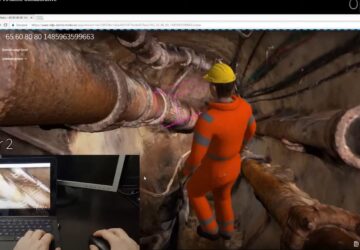
    Before an intervention in the Parisian sewer network, operators have the ability to connect to the 3D model in SmartShape and conduct their virtual visit together. The avatar of the first operator appears on the screen of the second, and vice versa: they can see each other and follow each other in the 3D model as if they were on site. They identify potential risks and anticipate the tasks to be carried out to perform a safe and efficient intervention.

    Semeru - SmartShape

    Collaborative features

    “SmartShape provides operators with collaborative features to enrich the 3D model, which they can annotate during their virtual visit. Annotations appear in real time on the screen of each connected operator. Then, each annotation turns into a geo-referenced discussion within the 3D model: operators can enrich the model with their comments and ask questions.

    Moreover, the annotations made by the operators are accessible for all subsequent visits. They can thus be used by the Technical Water and Sanitation Service (STEA) to establish safety instructions or to warn of a risk.

    The demonstration carried out by SEMERU and SmartShape within the framework of the modeling project for the Paris city sewage network highlights the possibilities offered by the use of a 3D model within a collaborative platform. The result is unequivocal: professionals working in this network now have an effective and sustainable tool to help them accomplish their missions with limited risk.