Category: News

  • The Impact of 5G on SmartShape’s Features

    The Impact of 5G on SmartShape’s Features

    The era of ultra-fast connectivity has arrived with 5G, and its promises in terms of speed, reduced latency, and massive connectivity are redefining technological standards across many industries. In this context, SmartShape—an innovative digital twin platform—stands at the crossroads of digital transformation and industrial performance requirements. This article explores how integrating 5G can significantly enhance SmartShape’s features, providing concrete benefits to the industries adopting this technology.

    5G1

    I. Understanding 5G and Digital Twins

    A. What is 5G?

    5G represents the fifth generation of mobile networks, designed to meet the growing demands for speed and connectivity in an increasingly connected world. It offers speeds that can reach several gigabits per second, very low latency, and the capacity to connect millions of devices simultaneously. These features clearly distinguish it from previous generations, paving the way for new applications in areas as diverse as augmented reality, the Internet of Things (IoT), and critical communication systems.

    B. Digital Twins and SmartShape

    Digital twins are virtual replicas of objects, processes, or even entire systems that enable simulation, monitoring, and optimization of complex environments. SmartShape positions itself as a connected, collaborative, and programmable digital twin solution, designed to centralize and visualize complex industrial data in an intuitive way. With an interface accessible on various devices—from web browsers to tablets—SmartShape facilitates decision-making by offering real-time 3D representations of physical systems. The platform stands out for its compatibility with a wide range of CAD software and its ability to integrate data from diverse sources such as sensors, ERP systems, and other business applications.

    II. The Benefits of 5G for SmartShape

    Integrating 5G with SmartShape presents several key advantages that not only enhance the platform’s technical performance but also improve the quality of services provided to its users.

    A. Reduced Latency

    The low latency offered by 5G is essential for applications requiring real-time interactions. In the case of SmartShape, this means that updates to digital models and sensor data occur almost instantaneously. Minimal latency enables more precise synchronization between the digital twin and the physical system, ensuring timely monitoring and intervention. This increased responsiveness is particularly crucial in sectors such as predictive maintenance or emergency management.

    B. Increased Bandwidth

    With 5G, the data transmission capacity is significantly enhanced. This boost in bandwidth allows SmartShape to process and transmit large volumes of data, even during complex simulations or when streaming 3D models. The result is a notable improvement in simulation quality and reduced rendering times, leading to a better user experience and optimized decision-making processes.

    C. Massive Device Connectivity

    5G facilitates the simultaneous connection of numerous devices, sensors, and IoT objects. For SmartShape, this means a richer and more diverse collection of real-time data. Integrating data from thousands of sensors on industrial infrastructures enables the creation of increasingly accurate and up-to-date digital twins. This massive connectivity also allows the platform to extend its functionalities to complex IoT systems, thereby enhancing overall industrial process efficiency.

    5G3

    III. Practical Applications of Integrating 5G with SmartShape

    The combination of 5G and SmartShape opens up a wide array of practical applications that are revolutionizing the management of infrastructures and industrial processes.

    A. Enhanced Predictive Maintenance

    Thanks to rapid, real-time data transmission via 5G, companies can implement more effective predictive maintenance systems. The ability to continuously monitor equipment conditions allows for anticipating failures before they occur, thus reducing downtime and associated repair costs. For example, in a plant equipped with SmartShape, sensors might detect slight variations in temperature or vibration, signaling the need for preventive maintenance.

    B. Optimization of Production Processes

    The increased bandwidth and reduced latency provided by 5G enable real-time monitoring of production lines. Operators can receive instant updates on the status of industrial processes, allowing for rapid adjustments to maintain optimal production levels. This responsiveness not only boosts productivity but also reduces waste and improves the quality of finished products.

    C. Advanced Training and Simulation

    The integration of 5G also makes it possible to leverage immersive technologies such as augmented and virtual reality. SmartShape can thus offer advanced training and simulation environments where operators and technicians train in highly realistic virtual replicas. These training tools reduce the risks associated with handling real equipment while lowering costs and training time. Real-time simulations provide an interactive experience that significantly enhances learning curves.

    IV. Challenges and Future Perspectives

    A. Technical Challenges

    While the benefits of integrating 5G with SmartShape are undeniable, several technical challenges remain. First, a robust and widely deployed 5G infrastructure is necessary to fully exploit these advantages. Additionally, the security of data transmitted over 5G networks is a major concern. Companies must implement encryption protocols and cybersecurity measures to protect sensitive information exchanged over these networks.

    B. Future Perspectives

    The rapid evolution of 5G opens up new prospects for SmartShape. As 5G becomes more widespread, one can expect even deeper integration of the platform with other cutting-edge technologies such as artificial intelligence and IoT. These synergies will enable the creation of even more powerful solutions, tailored to diverse industrial sectors like aerospace, energy, or water treatment. Furthermore, the rise of 5G could also foster the emergence of innovative applications, fundamentally transforming how companies manage their infrastructures and operational processes.

    Conclusion

    The integration of 5G with SmartShape represents a significant leap forward in the digital industrial landscape. By reducing latency, increasing bandwidth, and enabling massive device connectivity, 5G empowers SmartShape to deliver ever more accurate and responsive digital twins. This technological synergy not only enhances predictive maintenance and production process optimization but also revolutionizes training and simulation through immersive augmented and virtual reality environments.

    While technical challenges such as infrastructure requirements and data security need to be addressed, the prospects offered by 5G are highly promising. Companies that adopt these technologies together will benefit from greater responsiveness, reduced operational costs, and an enhanced capacity to innovate in an increasingly competitive market.

    In conclusion, the impact of 5G on SmartShape’s features is not merely a technical improvement; it serves as a true lever for digital transformation in the industry. It invites businesses to rethink their approach to infrastructure management and embrace the opportunities provided by ultra-fast connectivity to remain competitive in a rapidly evolving market.

  • Digital Twins in Training: Reinventing the Learning Experience for Technicians and Engineers

    Digital Twins in Training: Reinventing the Learning Experience for Technicians and Engineers

    In a rapidly evolving industrial world, the concept of digital twins has made a significant breakthrough by offering a faithful virtual replica of real-world systems. Initially adopted to optimize production processes, these tools have now found fertile ground in the field of training. As technologies evolve at a rapid pace, technicians and engineers must continually update their skills. This article explores how digital twins are revolutionizing training methods by creating immersive and interactive learning environments.

    I. Understanding Digital Twins

    Definition and Fundamental Principles

    A digital twin is a virtual replica of a physical object, process, or system. It relies on real-time data collection, combined with modeling and simulation, to accurately reflect the behavior of its physical counterpart.

    General Functioning: Sensors installed on real systems collect data that feed into the digital model. This model enables the simulation of various scenarios to anticipate performance and needs.

    Industrial Applications

    • Optimizing production processes: Reducing bottlenecks and improving efficiency.
    • Predictive maintenance: Identifying potential failures before they occur.
    • Product design and development: Accelerating design cycles through virtual prototyping.

    II. Digital Twins in Training for Technicians and Engineers

    Educational Advantages

    Immersive and Interactive Learning

    Digital twins leverage technologies such as virtual reality (VR) and augmented reality (AR) to replicate complex industrial environments. Learners can virtually manipulate machines and systems, facilitating the acquisition of practical skills.

    Cost and Risk Reduction
    • Reduced need for costly physical equipment in training.
    • Simulation of dangerous scenarios to prevent accidents.
    Personalized Learning

    Digital twins enable tailored training modules to meet individual needs, with precise progress tracking to target areas for improvement.

    Initiatives and Training Programs Using Digital Twins

    • JENII Project: Developed by Arts et Métiers, CEA, CNAM, and CESI, this project aims to integrate immersive virtual environments into engineering training through a virtual campus.
    • Digital Twins Certificate by TECH France: An online training program specializing in the design and development of simulation models, with diverse applications in engineering and robotics.

    III. Impact on Skills and Careers of the Future

    Evolution of Required Skills

    Mastery of digital tools and simulation technologies is becoming essential. Technicians and engineers need to develop skills in data analysis, modeling, and handling virtual environments.

    Emerging Careers

    The rise of digital twins has given birth to new roles such as digital twin specialists or technicians, tasked with optimizing the performance of industrial systems.

    IV. Challenges and Future Perspectives

    Challenges to Overcome

    • Financial Investment: The cost of technologies and their implementation in training remains a major barrier.
    • Trainer Preparation: Educators need to be ready to integrate these tools into their practices.
    • Educational Transition: Managing the shift from traditional methods to immersive approaches.

    Future Perspectives

    With the widespread adoption of digital twins in technical training, partnerships between academic institutions and industries will play a key role. Immersive technologies will continue to evolve, offering increasingly realistic and effective learning opportunities.

    Digital twins represent a major revolution for training technicians and engineers, offering immersive and personalized learning environments. To prepare future generations for technological challenges, educational institutions and companies must actively collaborate. Integrating these tools into training programs represents a strategic opportunity to transform professional education and adapt to the ever-evolving market needs.

    Digital twins are not just a technological tool but a bridge between theory and practice. Their widespread adoption could mark the beginning of a new era in technical education, where learning is no longer limited by the constraints of the physical world. This approach offers optimal preparation for technicians and engineers to tackle the challenges of tomorrow’s industries while fostering continuous and sustainable innovation.

  • Digital Twins and Predictive Maintenance: A Game-Changer for Industry 4.0

    Digital Twins and Predictive Maintenance: A Game-Changer for Industry 4.0

    As Industry 4.0 continues to revolutionize industrial practices, the integration of digital twins and artificial intelligence (AI) is redefining asset management. These technologies enable efficient, proactive, and cost-effective predictive maintenance. This article explores how digital twins are transforming maintenance strategies, reducing costs, and optimizing equipment performance.

    What is a Digital Twin?

    A digital twin is a virtual replica of a physical object, process, or system that can simulate and analyze its behavior in real time. By collecting and centralizing data from various sources, such as IoT sensors, management software, or business databases, digital twins provide comprehensive insights into industrial assets.

    This dynamic representation enables companies to monitor performance and anticipate issues before they arise, paving the way for predictive maintenance.

    Predictive Maintenance: A New Approach

    Unlike preventive maintenance, which relies on fixed time intervals for interventions, predictive maintenance uses real-time data to determine the optimal moment for action. This ensures that parts are replaced or adjustments are made only when necessary, reducing costs and waste.

    Benefits of predictive maintenance include:

    • Reduced unplanned downtime.
    • Optimized use of resources and spare parts.
    • Extended equipment lifespan.
    • Improved operational safety.


    Predictive Maintenance3

    The Integration of Digital Twins and Artificial Intelligence

    The combination of digital twins and AI elevates predictive maintenance to a new level of efficiency. Here’s how it works:

    • Data Collection: Connected sensors continuously monitor machine performance, capturing critical data such as vibrations, temperature, or pressure.
    • Data Analysis: AI algorithms identify patterns and detect potential anomalies through machine learning.
    • Accurate Predictions: Digital twins simulate the future state of the equipment, predicting failures with precision.
    • Proactive Actions: Maintenance teams can plan targeted interventions before issues occur, minimizing disruptions and associated costs.

    Real-World Applications

    1. Aerospace Industry

    In aviation, digital twins monitor aircraft engines in real time. By analyzing subtle anomalies, they detect potential failures long before they escalate into major issues. This significantly reduces maintenance costs and aircraft downtime.

    2. Manufacturing Sector

    Production lines utilize digital twins to track the health of critical machinery. Early detection of wear or overheating enables swift action, avoiding costly production halts.

    3. Energy Infrastructure Management

    Energy networks and gas pipelines leverage digital twins to monitor critical infrastructure and optimize energy distribution. Targeted interventions maximize uptime and reliability.

    Challenges of Implementation

    Despite its many advantages, integrating predictive maintenance with digital twins and AI comes with challenges:

    1. Data Management: The volume and complexity of collected data require robust and scalable IT infrastructure.
    2. Initial Costs: Setting up sensors, specialized software, and collaborative platforms involves significant investment.
    3. Cybersecurity: Increased interconnectivity exposes systems to potential vulnerabilities, necessitating strict data protection protocols.
    4. Skills Gap: Leveraging digital twins and analyzing data effectively require teams trained in advanced technologies.


    Predictive Maintenance2

    Future Perspectives

    The potential of digital twins and AI in predictive maintenance is vast. Looking ahead, these technologies are expected to integrate:

    • Internet of Things (IoT): Enabling real-time data collection from an increasing number of connected devices.
    • Machine Learning: Enhancing prediction accuracy and optimizing asset performance.
    • Augmented Reality (AR): Assisting technicians by visualizing anomalies detected by the digital twin and providing guided repair instructions.

    These innovations will continue to transform industrial practices, helping companies improve efficiency, profitability, and resilience in the face of evolving challenges.

    Conclusion

    The integration of digital twins and artificial intelligence marks a pivotal moment in the evolution of predictive maintenance. These technologies enable businesses to transition from reactive approaches to proactive strategies, fundamentally revolutionizing asset management.

    By reducing downtime, optimizing resources, and enhancing safety, digital twins are becoming indispensable pillars of Industry 4.0. As these tools advance, their adoption will expand, unlocking new opportunities for operational optimization and long-term competitiveness.

    With tangible results and real-world examples, it is clear that this transformation is more than just a trend—it is a necessity for staying competitive in a rapidly evolving industrial landscape.

  • Integration of Conversational AI into Digital Twins: Pioneering a New Era in Industry 4.0

    Integration of Conversational AI into Digital Twins: Pioneering a New Era in Industry 4.0

    Industry 4.0 signifies a profound transformation in industrial processes, incorporating advanced technologies such as digital twins and conversational artificial intelligence (AI). This convergence promises to significantly enhance operational efficiency for businesses. This article explores the functionalities of conversational AI integrated into digital twins and their impact on industrial performance.

    Understanding Digital Twins and Conversational AI

    Digital twins are virtual replicas of physical entities, encompassing products, processes, or systems. They enable real-time simulation, analysis, and optimization of performance, facilitating decision-making and predictive maintenance. Conversational AI encompasses technologies capable of understanding and generating natural language, allowing seamless interactions between humans and machines through chatbots, virtual assistants, or voice interfaces.

    Synergy Between Digital Twins and Conversational AI

    Integrating conversational AI with digital twins offers several advantages:

    • Enhanced Human-Machine Interaction: Conversational interfaces simplify access to complex data from digital twins, allowing operators to ask questions in natural language and receive precise answers without requiring extensive technical expertise.
    • Optimization of Industrial Processes: Through real-time monitoring and predictive analysis, digital twins assisted by conversational AI can anticipate failures, suggest adjustments, and optimize operations, thereby reducing downtime and costs.

    Concrete Use Cases

    Several applications illustrate the effectiveness of this integration:

    • Predictive Maintenance: Companies utilize voice assistants to diagnose real-time malfunctions. For instance, an operator can inquire about the status of a specific machine, and conversational AI, leveraging the digital twin, provides a detailed analysis and action recommendations.
    • Immersive Training: Interactive digital twins, combined with conversational interfaces, offer virtual reality training environments where employees can interact with realistic simulations, ask questions, and receive personalized instructions.
    • Supply Chain Management: Conversational interfaces enable real-time tracking of inventory, shipments, and supplies. A manager can request information on stock levels or delivery times, and AI provides responses based on data from the digital twin.

    Challenges and Considerations

    Despite its advantages, integrating conversational AI with digital twins presents challenges:

    • Data Security and Confidentiality: Connecting intelligent systems exposes companies to cybersecurity risks. Implementing robust security protocols is essential to protect sensitive information.
    • Complexity of Technological Integration: Merging conversational AI with digital twins requires advanced technological infrastructure and interoperability between different systems, which can represent a significant investment.
    • Employee Acceptance: Adopting new technologies may encounter resistance. Training staff and demonstrating tangible benefits are crucial to ensure a smooth transition.

    Conclusion

    Integrating conversational AI into digital twins represents a major advancement for Industry 4.0, offering more natural interactions, process optimization, and informed decision-making. Companies that embrace this synergy can expect significant improvements in operational efficiency and enhanced competitiveness in the global market.

    By adopting these technologies, businesses position themselves at the forefront of industrial innovation, ready to meet the challenges of tomorrow.

  • Building Operating System and SmartShape: Revolutionizing Smart Building Management

    Building Operating System and SmartShape: Revolutionizing Smart Building Management

    The Building Operating System (BOS) and SmartShape are two major innovations transforming the management of intelligent buildings. The BOS acts as a centralized operating system, integrating and coordinating various systems and devices within a building. SmartShape, on the other hand, is a solution of connected, programmable, and collaborative digital twins, offering optimized visualization and management of complex data. By combining these two technologies, it is possible to revolutionize the way buildings are managed, thereby enhancing efficiency, security, and occupant comfort.

    Understanding the Building Operating System (BOS)

    The BOS is a centralized software platform that integrates and manages the various systems and devices of a building. It acts as a centralized “brain,” coordinating and optimizing the operations of heating, ventilation, air conditioning (HVAC), lighting, security, and other building infrastructures. The BOS enables the connection and communication of diverse devices, often from different manufacturers, thus facilitating unified and intelligent building management.

    tages of the BOS include:

    • Integration and Centralization: The BOS integrates and centralizes the management of all building systems (HVAC, lighting, security, etc.) on a single platform.
    • Interoperability: It ensures the interoperability of the various building systems, thereby optimizing energy efficiency, predictive maintenance, security, and occupant comfort.
    • Flexibility and Scalability: The BOS allows centralized and flexible management, facilitating the addition of new technologies and real-time data analysis for more efficient operations and informed decision-making.

    BOS

    Introducing SmartShape

    SmartShape is a solution of connected, programmable, and collaborative digital twins. It serves as an industrial metaverse that gathers and visualizes complex data in an understandable and accessible manner. SmartShape centralizes this data in a single collaborative and responsive location, making it comprehensible through visual representations.


    Key features of SmartShape include:

    • Intelligent Forms: 2D models, 2D plans, photogrammetry.
    • Business Data: Spreadsheets, APIs, sensors, ERP, PLM, MES.
    • Code: Processes, instrumentation, data mining, machine learning, AI.
    • Collaboration: Online and offline, a single source of truth, real-time, responsive.

    SmartShape is compatible with all CAD software (Catia, SolidWorks, Revit, Microstation…) and all data sources or models (PLM, PDM, MES, spreadsheets, sensors…). It offers an open API based on web standards (HTTP/2, JSON…) and a universal application on web browsers (Firefox, Chrome…). Additionally, SmartShape ensures data security and sovereignty by using AES encryption for all data at rest and encrypting both 3D data and business data.


    The Synergy Between BOS and SmartShape

    Integrating SmartShape with a Building Operating System maximizes the benefits of both technologies. The BOS provides a centralized platform for managing building systems, while SmartShape offers advanced visualization and interaction with building data.

    This combination enables:

    • Optimized Infrastructure Management: By centralizing data and offering real-time visualization, it becomes possible to effectively monitor and control building systems.
    • Enhanced Predictive Maintenance: Analyzing collected data allows for the prediction of potential failures and the planning of interventions before they become critical.
    • Improved Occupant Experience: By adjusting building systems according to the needs and preferences of occupants, their comfort and satisfaction can be enhanced.

    BIM

    Use Cases

    Several companies have already benefited from integrating SmartShape with a Building Operating System. For example:

    • Chantier de l’Atlantique: Replaced 2D paper plans with a collaborative 3D digital twin, constructing over 10 ships, managing 3 million unique elements, 400 million unique attributes, 1,000 users via Active Directory, with both online and offline collaboration.
    • Suez: Developed a digital twin of the sewer network using photogrammetry, facilitating knowledge management and intervention preparation, enhancing QHSE, and optimizing costs. The digital twin covers over 400 km, combining photogrammetry and BIM, with 3D streaming up to 200 times faster.
    • Bureau Veritas: Replaced 2D PDF plans with a collaborative 4D digital twin, connected to a comment management platform (VPM) on a sovereign cloud.

    Conclusion

    The integration of the Building Operating System and SmartShape represents a significant advancement in intelligent building management. This combination offers a centralized and collaborative platform for managing building systems while providing advanced data visualization. The benefits include increased operational efficiency, improved predictive maintenance, and a better experience for occupants. The use cases demonstrate the practical applications and advantages of this integration in various industries.

  • Decarbonization and Digital Twins: TESSERACT’s Approach for a Greener Maritime Industry

    Decarbonization and Digital Twins: TESSERACT’s Approach for a Greener Maritime Industry

    In a world where energy transition has become a priority, the maritime sector, responsible for around 3% of global greenhouse gas emissions, faces enormous challenges in reducing its carbon footprint. Governments, international regulators, and maritime companies are all working to transform their processes to meet strict environmental objectives. At the heart of this transformation lies a promising technology: the digital twin. And this is where the TESSERACT project, developed by AERYS, proves essential.

    The Digital Twin: A Technological Revolution for the Maritime Sector

    A digital twin is a virtual replica of a physical system, powered by real-time data, that enables the simulation and analysis of an entire system’s operations. While the technology itself isn’t new, its applications in the maritime sector are expanding rapidly, thanks especially to projects like TESSERACT. This project aims to revolutionize how ships are built, operated, and maintained by leveraging precise digital modeling.

    TESSERACT offers a digital model capable of processing massive volumes of data from various sources. It is designed to optimize both ship construction and maintenance while reducing carbon emissions through better resource management. Using this technology not only improves the operational efficiency of vessels but also extends their lifespan, directly contributing to reducing the environmental impact of the maritime sector.


    Capture d’écran 2024-10-25 102947


    Decarbonization: An Urgent Need for the Maritime Industry

    The maritime sector, vital to global trade, is also one of the most polluting industries. The International Maritime Organization (IMO) has set an ambitious goal to reduce greenhouse gas emissions from the sector by 50% by 2050, compared to 2008 levels. To achieve this, companies must fundamentally rethink their processes, implementing technologies and solutions that encourage better resource management and reduced energy consumption.

    Digital twins like TESSERACT are pivotal in this effort. By providing an overview of operations in real-time, this technology allows inefficiencies to be identified and different scenarios to be simulated for fuel optimization, predictive maintenance, and reduced downtime. Furthermore, TESSERACT enables low-carbon solutions to be integrated from the design phase, which is essential to meet new regulatory and environmental standards.

    How TESSERACT Contributes to Reducing the Carbon Footprint

    TESSERACT is distinguished by its ability to use real-time data to create highly accurate simulations. This allows ship operators and builders to predict vessel performance under various conditions, optimize design, and reduce the resources needed for operation. For instance, through predictive modeling, it becomes possible to anticipate mechanical failures before they occur, reducing both maintenance costs and downtime.

    One of the most innovative aspects of TESSERACT is its ability to handle point clouds and detailed 3D models, allowing for an extremely precise representation of a ship down to millimeter scale. This precision is crucial for improving energy efficiency. By simulating different engine configurations, hulls, or other critical systems, engineers can identify the most efficient ways to reduce fuel consumption.

    Additionally, TESSERACT enables the environmental impact of design choices to be analyzed. For instance, by simulating the use of more environmentally friendly materials in ship construction, the digital twin allows builders to make informed decisions that reduce the carbon footprint across the ship’s entire lifecycle.

    The Role of Predictive Maintenance in Sustainability

    Predictive maintenance is one of the cornerstones of cost and environmental impact reduction in the maritime sector. With vessels at sea for weeks or even months at a time, maximizing operational efficiency and minimizing unscheduled maintenance interventions is crucial. By integrating predictive maintenance into TESSERACT, AERYS enables shipowners and operators to monitor asset performance in real time.

    This proactive monitoring, combined with historical and real-time data analysis, allows for early detection of mechanical failures before they occur. Operators can thus schedule interventions at the most opportune time, reducing not only operating costs but also the risk of accidental pollution or fuel leaks. This level of precision and anticipation directly contributes to reducing the carbon footprint of maritime operations.


    Capture d’écran 2024-10-25 103021


    A Flexible, Scalable Technology

    TESSERACT is not limited to a specific use case; its flexibility and interoperability make it applicable to a wide range of industries, particularly those that require complex processes and careful resource management. In the maritime sector, this interoperability allows teams to collaborate on a single platform, even when geographically dispersed.

    One of TESSERACT’s key advantages is its ability to operate offline, allowing ship operators to access critical information even while at sea, without an internet connection. This ensures that decisions can be made quickly, without service interruptions, a crucial asset in the dynamic environment of the maritime industry.

    A Green Future for the Maritime Sector

    The energy transition of the maritime sector is underway, and innovative solutions like TESSERACT play a central role in this transformation. By optimizing energy consumption, facilitating predictive maintenance, and improving team collaboration, the digital twin reduces the carbon footprint while increasing operational efficiency.

    The challenges are numerous, but with tools like TESSERACT, the maritime industry has the means to achieve decarbonization targets set by international regulators. By adopting this technology, maritime companies can not only reduce their environmental impact but also gain a competitive advantage in an increasingly sustainability-driven global market.

    In short, TESSERACT represents the convergence of digital innovation and the urgent need to transform the maritime industry into a cleaner, more sustainable sector. The path to a decarbonized maritime future is complex, but it’s paved with opportunities enabled by technologies like this, which contribute to building a more environmentally friendly world.

  • Revolutionizing Geospatial Data Management: Displaying LiDAR HD in SmartShape

    Revolutionizing Geospatial Data Management: Displaying LiDAR HD in SmartShape

    Innovation is at the heart of the SmartShape solution. With the integration of LiDAR HD data, our platform continues to push the boundaries of processing and visualizing massive datasets. Today, we are proud to present a major breakthrough: the display of data from the DAL of Paris and its suburbs, an impressive volume of 1.7 TB of geospatial data, seamlessly integrated into SmartShape. In this article, we will explore this technical achievement, which illustrates our commitment to transforming complex data into simple and powerful tools.


    The LiDAR HD Project: A Technological Revolution

    LiDAR HD (Light Detection and Ranging) is a laser scanning technology that enables the capture of extremely precise information about the geography and physical structures of a region. The Version 1.0 of LiDAR HD presents exceptional characteristics:

    • Planimetric accuracy: better than 50 cm in X and Y.
    • Altimetric accuracy: better than 10 cm in Z.
    • Data density: minimum of 10 pulses/m².
    • Acquisition blocks: squares of 50 km x 50 km, divided into 1 km² tiles.

    These raw data are then processed to include detailed attributes such as geometric coordinates (X, Y, Z), signal intensity, and point classes that allow for the distinction between the ground, buildings, vegetation, and even water.

    The LiDAR HD project aims to capture geospatial information with unmatched precision and density, covering vast areas such as metropolitan France, Réunion, and the Antilles. The DAL of Paris and its suburbs, now integrated into SmartShape, is a concrete example of this.

    The Technical Achievement of SmartShape: Managing 1.7 TB of Data

    One of the biggest challenges we faced in this project was managing the enormous volume of data. The DAL of Paris represents  2 TB, and contains 25 GB of orthophotos to colorize the LiDAR HD tiles. These data are composed of over 74 billion geospatial points.

    Thanks to our advanced technology, we were able to process this data with incredible efficiency, while ensuring smooth display on SmartShape. This process requires approximately 30 GB of RAM for file processing, but once everything is in place, the display of models in a web browser or on mobile is remarkably fluid.


    Practical Applications: Real-Time Usable Data

    The display of LiDAR data in SmartShape is not just a technical feat; it’s a revolution in how geospatial data can be utilized daily across various sectors. Whether in the naval, military, or energy industries, the ability to visualize complex environments in real-time enables better decision-making, intervention planning, and even infrastructure management.

    The DAL of Paris, for example, was ready to be fully visualized in just 3 hours and 30 minutes and could be partially visualized with a lower level of detail only after a few minutes, showcasing the efficiency of data processing and rapid integration. Operators can now navigate through these complex geospatial datasets, visualize them in real-time, and even link them to other data sources (photogrammetry, sensors, etc.) for advanced analysis.


    Video Demonstration: Discover SmartShape in Action

    To showcase these technological advancements, we have prepared a demonstration video. This video walks you through the display of LiDAR HD data in SmartShape, illustrating how our solution handles massive data volumes while offering a smooth and intuitive user experience.

    In the video, you will see:

    • The display of 3D models generated from LiDAR data.
    • The incredible precision of the geometric and altimetric data.
    • SmartShape’s ability to offer fluid navigation through these complex environments, even from a simple web browser.


    Conclusion: Innovation Continues with SmartShape

    The integration of LiDAR HD data into SmartShape is just the beginning. We continue to innovate, making complex data more accessible and usable in interactive and collaborative 3D environments. Whether you’re in Industry 4.0, defense, or energy, SmartShape allows you to visualize and analyze massive datasets with unprecedented precision, while facilitating decision-making.

  • From CAD to Digital Twins: Why the Naval Industry is Embracing 3D Technology

    From CAD to Digital Twins: Why the Naval Industry is Embracing 3D Technology

    The naval industry, with its complex demands and technical challenges, is undergoing a significant digital transformation. Traditionally, naval projects have relied heavily on computer-aided design (CAD) tools, using 2D and 3D plans for ship modeling. While effective, these methods are now reaching their limits in terms of optimization, collaboration, and maintenance. In this evolving landscape, digital twins, powered by innovative solutions like SmartShape, are stepping in to redefine the industry’s standards.

    From CAD to a Broader Vision

    CAD has long been the cornerstone of naval design, enabling the creation of detailed models, but it remains a static tool. CAD models often require complex exchanges between different stakeholders, with the risk of inconsistencies or delays in information sharing. For shipyards, these inefficiencies can result in costly delays and resource misallocation.

    A digital twin, on the other hand, offers a dynamic and collaborative vision. More than just a 3D representation, a digital twin is a virtual replica connected to real-time data, integrating design, manufacturing, maintenance, and management processes. This evolving model centralizes all technical and operational information about a vessel in a shared space, accessible to all project stakeholders and updated in real-time.

    Why Digital Twins Are a Game-Changer for the Naval Industry

    The naval industry faces unique challenges, from building increasingly complex vessels to maintaining aging fleets. In this context, digital twins offer strategic advantages for several reasons:

    1. Enhanced Collaboration
      Digital twins enable real-time collaboration between engineering teams, project managers, and shipyard operators. All stakeholders have access to a single source of truth, eliminating information silos. This leads to faster, more informed decision-making and reduces errors caused by outdated information.
    2. Optimized Maintenance Processes
      By integrating sensors and AI systems, digital twins facilitate predictive maintenance. They allow operators to anticipate breakdowns, optimize maintenance schedules, and reduce the downtime of vessels. Maintenance becomes proactive rather than reactive, directly improving operational availability.
    3. Cost and Time Reduction
      Offering an integrated and up-to-date view of every aspect of a project, digital twins help reduce construction and maintenance timelines. By identifying inconsistencies or design errors earlier in the process, they can be corrected before they have major impacts on the project. This translates to substantial savings in both time and money.
    4. Increased Safety
      By simulating different configurations or analyzing system performance under real conditions, digital twins help improve the safety of vessels and their crews. They also allow complex scenarios to be tested virtually before physical implementation, reducing risks.


    Jumeau numérique et IA


    SmartShape: Leading the Way in Naval Innovation

    SmartShape is at the forefront of this digital transformation in the naval industry. Its digital twin solution not only replaces paper plans and CAD models with collaborative 3D virtual replicas, but also connects these models to intelligent systems and complex databases. With centralized and real-time management of information, SmartShape helps naval industry stakeholders streamline their processes, enhance the security of their operations, and improve overall efficiency.

    The Future of Naval Industry is Digital

    By leveraging digital twins, the naval industry is undergoing a true technological revolution. This shift to 3D, beyond basic CAD modeling, opens the door to major innovations in design, maintenance, and operations. With solutions like SmartShape, industry players now have the tools to meet the challenges of the future and increase their competitiveness in an increasingly demanding global market. Digital twins are no longer just a trend—they have become a necessity for the future of the naval industry.

  • Press Review: SmartShape in the Spotlight of Specialized Media

    Press Review: SmartShape in the Spotlight of Specialized Media

    Press review
    We are excited to share recent media coverage highlighting SmartShape. The esteemed publication Digital Twin Insider has recently published an in-depth article on the revolutionary impact of digital twins in the surveying and construction sectors, with a particular focus on the advancements brought by SmartShape.

    Digital Twin Insider: A Well-Deserved Recognition

    In the article titled Digital Twins Disrupting Surveying & Construction Through SmartShape, Digital Twin Insider details how SmartShape is redefining industry standards with its intelligent and collaborative digital twin solutions. Here are the key points discussed in the article:

    Innovation Serving the Industry

    The article highlights how SmartShape, a solution of connected, programmable, and collaborative digital twins, simplifies complex data management and enhances operational efficiency. By centralizing data in a single collaborative platform, SmartShape makes it understandable and accessible through sophisticated visual representations.

    Real-World Use Cases

    Digital Twin Insider presents several real-world examples demonstrating the effectiveness of SmartShape:

    • Chantier de l’Atlantique: Utilizing a collaborative 3D digital twin to replace 2D paper plans, facilitating the construction of over 10 ships.
    • Suez: Creating a digital twin of the sewer network using photogrammetry for optimal knowledge management and intervention preparation.
    • Bureau Veritas: Implementing a collaborative 4D digital twin to replace 2D PDF plans, connected to a comment management platform.

    A Versatile and Secure Solution

    The article also highlights SmartShape’s competitive advantages, such as its universal accessibility, seamless integration with all CAD software, and military-grade data security. Available on tablets and web via 3D streaming, SmartShape is compatible with a variety of data sources and models, offering a flexible and secure solution for industry professionals.

    A Platform for Digital Transformation

    By integrating innovative technologies such as artificial intelligence, photogrammetry, and real-time 3D streaming, SmartShape transforms industrial processes without alteration. This leads to significant cost savings, optimized maintenance, and improved project planning and coordination.

    To learn more, we invite you to read the full article on Digital Twin Insider’s website here. Discover how SmartShape continues to position itself as a leader in the field of digital twins, revolutionizing the construction industry and beyond.


    This press coverage is further evidence of SmartShape’s impact in the world of technology and industry. We are proud to see our innovations recognized by industry experts and to continue providing cutting-edge solutions to our clients. For more information about our products and solutions, please visit our website SmartShape.

  • Security and Data Sovereignty: How SmartShape Ensures the Protection of Sensitive Information

    Security and Data Sovereignty: How SmartShape Ensures the Protection of Sensitive Information

    Context and Importance: In the current context of Industry 4.0, where digital technologies are revolutionizing industrial operations, data security has become a top priority. Companies handle an unprecedented volume of sensitive and complex data, necessitating robust protection measures to prevent cyberattacks and ensure information confidentiality. SmartShape, a digital twin solution, stands out by placing data security and sovereignty at the heart of its architecture. This article explores how SmartShape guarantees the protection of sensitive information while offering maximum operational flexibility.

    1. The Challenges of Data Security in Industry

    Complexity and Sensitivity of Industrial Data: Industrial companies handle diverse types of data, ranging from product designs and manufacturing processes to operational and maintenance information. These data, often fragmented and stored in disparate systems, are vulnerable to cyber threats. The consequences of data breaches can be severe, including loss of intellectual property and costly operational disruptions​ ​.

    Regulations and Security Standards: Compliance with international regulations such as ISO/IEC 27001 and the General Data Protection Regulation (GDPR) is crucial for industrial companies. These standards define strict frameworks for managing and protecting data, imposing rigorous security measures to prevent breaches and ensure information confidentiality​ ​.

    2. Security Measures Implemented by SmartShape

    Data Encryption: SmartShape uses Advanced Encryption Standard (AES) encryption to protect sensitive data both in transit and at rest. AES encryption is internationally recognized for its robustness and is used by organizations such as the National Institute of Standards and Technology (NIST) and the National Security Agency (NSA) in the United States. This technology ensures that data is unreadable by unauthorized parties, thereby guaranteeing its confidentiality and integrity​ .

    Hosting on Dedicated Servers: A distinctive feature of SmartShape is the ability for clients to host the software and data on their own dedicated servers. This provides complete isolation from the internet, thus reducing the risks of external intrusion. Compared to public cloud solutions, this approach offers a higher level of control and security, allowing companies to manage their data autonomously and in compliance with their internal security policies​ ​.

    Use of Standard and Open Technologies: SmartShape relies on proven open technologies such as OpenSSL for encryption and Trusted Platform Modules (TPM) for hardware security. The use of these standards not only ensures enhanced security robustness but also provides transparency and interoperability with other security systems. These measures contribute to a reinforced protection of sensitive data while facilitating their management and integration into various IT environments​ ​.

    3. Ensuring Data Sovereignty

    Portability and Reversibility of Solutions: SmartShape offers maximum flexibility by allowing data migration between different environments without compromising their integrity. The portability and reversibility of solutions enable companies to maintain full control over their data, avoiding vendor lock-in and ensuring operational continuity even in case of provider changes​ .

    Client Autonomy in Data Management: With the self-hosting option, SmartShape clients have total control over their data. This autonomy is crucial for sensitive sectors such as defense and critical infrastructure, where data sovereignty is essential to ensure national security and service resilience​.

    4. Practical Cases of Security and Sovereignty with SmartShape

    Military Sector: SmartShape has been successfully deployed in demanding military environments where data security and sovereignty are top priorities. For instance, military applications of SmartShape enable secure operational planning and predictive maintenance while ensuring the confidentiality of strategic information​ ​.

    Energy Industry: In the energy sector, SmartShape helps manage sensitive data related to the operations and maintenance of critical infrastructure. The integration of digital twins with advanced security systems ensures the protection of crucial information and the continuity of operations​ ​.

    Water Treatment and Critical Infrastructure: Water treatment companies use SmartShape to secure data from their supply and treatment networks. The ability of SmartShape to offer a real-time overview and protect sensitive information is essential to ensure the safety and efficiency of operations​ ​.

    5. Challenges and Solutions for Data Security

    Current Challenges: The increasing complexity of cyber threats requires continuous adaptation of security measures. Companies must face sophisticated attacks and increasingly stringent regulations, necessitating constant vigilance and investment in cutting-edge technologies to protect data​ ​.

    Solutions and Best Practices: To address these challenges, SmartShape adopts a proactive approach by integrating advanced cybersecurity technologies and continuously training teams on best security practices. SmartShape’s commitment to data security and sovereignty helps companies protect their digital assets and comply with the most rigorous international standards​ ​.

    Conclusion

    Summary of Key Points: Data security and sovereignty are crucial challenges for modern industrial companies. SmartShape offers robust solutions to protect sensitive information and ensure compliance with international regulations. By integrating advanced security technologies and offering flexible hosting options, SmartShape allows companies to manage their data autonomously and securely.

    Call to Action: To stay competitive in Industry 4.0, it is essential to adopt solutions that guarantee data security and sovereignty. Contact SmartShape to discover how their solutions can help your company protect its sensitive information and optimize its operations.

  • Surveying in SmartShape

    Surveying in SmartShape

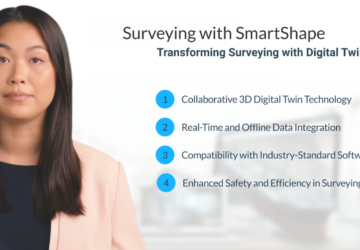
    Exploring the Revolutionary Surveying Capabilities in SmartShape: A Game Changer in Digital Twin Technology

    In the dynamic world of digital twins, SmartShape stands out as a vanguard technology reshaping how industries operate. Designed to tackle the complexity and volume of data in modern industries, SmartShape offers a comprehensive and intuitive platform for naval, military, energy, water treatment, and aerospace sectors. Today, we delve into one of SmartShape’s standout features—its advanced surveying capabilities, which are transforming the traditional methods of digital inspection and analysis.

    The Power of SmartShape in Surveying

    Surveying in the industrial context has always been a critical task, involving meticulous data gathering to ensure accuracy and efficiency in projects. SmartShape elevates this process by integrating cutting-edge 3D photogrammetry and data analytics within a single, user-friendly platform. This integration not only speeds up the surveying process but also enhances the precision and accessibility of the data.

    The use of SmartShape in surveying is particularly revolutionary due to its ability to create intelligent, responsive digital twins that bring together various forms of data (2D blueprints, photogrammetry, sensors, ERP, and more) into a collaborative and programmable environment. With SmartShape, surveying is no longer just about collecting data—it’s about creating a live, interactive model that evolves with your project.

    Real-Time Collaboration and Offline Capabilities

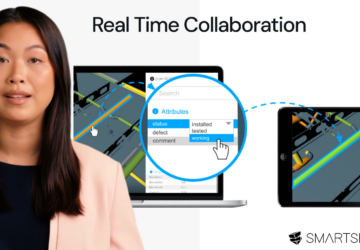
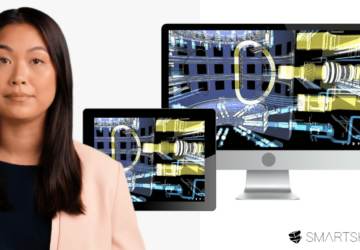
    One of the key advantages of SmartShape is its collaborative mode. Users can work together in real-time, sharing insights and updates instantly, regardless of their physical location. This is particularly beneficial in large-scale projects where teams are spread across different geographies. Additionally, SmartShape’s offline mode ensures that work does not halt when internet access is unavailable, making it a robust tool for fieldwork in remote areas.

    Enhanced Data Integration and Security

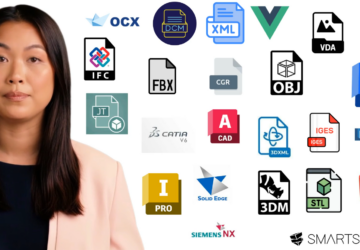
    SmartShape supports all major CAD software and data sources, making it highly versatile and adaptable to existing workflows. The platform’s open API, based on web standards like HTTP/2 and JSON, ensures seamless integration and interoperability. Moreover, SmartShape takes data security seriously, employing AES encryption and other robust security measures to protect sensitive information, making it a trustworthy choice for industries with stringent security requirements.

    Why SmartShape is a Game Changer

    The introduction of SmartShape into surveying represents more than just technological advancement; it is a step towards a more integrated, efficient, and safe way of managing industrial projects. By transforming complex data into accessible and actionable information, SmartShape not only enhances decision-making but also fosters a culture of innovation and collaboration.