What is a Digital Twin?
A digital twin is a virtual replica of a physical process, product, or service. This technology allows for the simulation, analysis, and prediction of the behavior and performance of its physical counterparts. In other words, a digital twin provides a detailed, real-time digital view of physical objects and systems, enabling proactive management and informed decision-making.
With SmartShape, this simulation becomes not only more precise but also more intuitive and collaborative. The SmartShape platform centralizes complex data and makes it comprehensible through clear and accessible visualizations. This enables companies to better manage their resources and continuously optimize their operations.
Predictive Maintenance: Anticipate to Manage Better
One of the most promising applications of digital twins is predictive maintenance. Traditionally, companies perform preventive maintenance on a fixed schedule or react to failures as they occur. These approaches can lead to high costs, either due to excessive maintenance or unplanned downtime.
Thanks to the integration of artificial intelligence and data analysis capabilities, SmartShape enables precise predictive maintenance. By monitoring the conditions and performance of equipment in real time, SmartShape can anticipate potential failures and recommend interventions before they cause disruptions. This reduces unplanned downtime, extends equipment life, and minimizes maintenance costs.
Process Optimization: Improving Efficiency
SmartShape’s digital twins also offer a tremendous opportunity for process optimization. By simulating different operational scenarios, companies can identify inefficiencies and test solutions without interrupting real operations. This simulation capability allows for continuous optimization and significant reduction in waste and losses.
For example, a manufacturing company can use SmartShape to model and analyze its production process. By identifying bottlenecks and friction points, the company can adjust its procedures to improve workflow, increase productivity, and reduce costs.
Enhanced Collaboration: Working Together, Better
Collaboration is essential for any organization, especially when it comes to complex projects involving multiple stakeholders. SmartShape offers a collaborative mode where all stakeholders can access and interact with the digital twin in real time. This facilitated collaboration enables quick and informed decision-making, reducing delays and communication costs.
Imagine a naval construction project where engineers, architects, and project managers work together. With SmartShape, they can all view the same 3D model of the ship, make real-time modifications, and synchronize their efforts. This reduces communication errors, avoids delays, and ensures everyone works from the same up-to-date information.
Planning and Coordination: Seeing to Forecast
The visualization of complex data in 3D is another major advantage of digital twins. With SmartShape, companies can improve the planning and coordination of their projects. Teams can better manage resources, anticipate needs, and avoid costly delays.
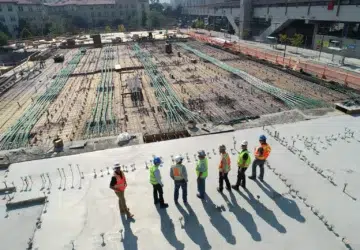
For example, during the construction of a new industrial facility, teams can use SmartShape to create a detailed 3D model of the facility. This allows for efficient planning of material use, coordination of different trades, and anticipation of potential problems before they occur. This proactive approach reduces costs and improves the overall efficiency of the project.
Case Studies: Concrete Successes
Chantier de l’Atlantique
The adoption of SmartShape by Chantier de l’Atlantique is a concrete example of how digital twins can reduce operational costs. Before implementing SmartShape, the company used 2D paper plans for ship construction. This method was not only labor-intensive but also prone to errors and inefficiencies.
By adopting SmartShape, Chantier de l’Atlantique replaced paper plans with a collaborative 3D digital twin. This significantly reduced errors, improved team coordination, and decreased operational costs. More than 10 ships were efficiently built using this technology, demonstrating the tangible benefits of the digital approach.
Suez
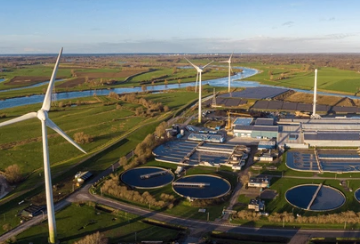
Another example is Suez’s application of SmartShape for managing its sewer network. By modeling the network in photogrammetry, Suez optimized intervention management and reduced maintenance and safety costs. The hybrid digital twin enabled fast 3D streaming and efficient management of over 400 km of network.
Thanks to SmartShape, Suez was able to manage knowledge and prepare interventions more effectively, improve quality, health, safety, and environment (QHSE), and optimize costs. The speed of 3D streaming, up to 200 times faster, allowed real-time visualization and quick decision-making.
A Solution for the Future
Integrating SmartShape’s digital twins into industrial processes represents a major advancement in reducing operational costs. By centralizing data, facilitating collaboration, and enabling continuous optimization, SmartShape helps companies achieve maximum operational efficiency.
For industrial companies, adopting SmartShape means not only reducing costs but also staying competitive in an increasingly technological environment. By leveraging the capabilities of digital twins, companies can transform their operations, improve profitability, and prepare for the future.
To learn more about how SmartShape can transform your business, visit our website or contact our team of experts. Adopt SmartShape and get ahead in Industry 4.0!