Category: Naval industry

  • Decarbonization and Digital Twins: TESSERACT’s Approach for a Greener Maritime Industry

    Decarbonization and Digital Twins: TESSERACT’s Approach for a Greener Maritime Industry

    In a world where energy transition has become a priority, the maritime sector, responsible for around 3% of global greenhouse gas emissions, faces enormous challenges in reducing its carbon footprint. Governments, international regulators, and maritime companies are all working to transform their processes to meet strict environmental objectives. At the heart of this transformation lies a promising technology: the digital twin. And this is where the TESSERACT project, developed by AERYS, proves essential.

    The Digital Twin: A Technological Revolution for the Maritime Sector

    A digital twin is a virtual replica of a physical system, powered by real-time data, that enables the simulation and analysis of an entire system’s operations. While the technology itself isn’t new, its applications in the maritime sector are expanding rapidly, thanks especially to projects like TESSERACT. This project aims to revolutionize how ships are built, operated, and maintained by leveraging precise digital modeling.

    TESSERACT offers a digital model capable of processing massive volumes of data from various sources. It is designed to optimize both ship construction and maintenance while reducing carbon emissions through better resource management. Using this technology not only improves the operational efficiency of vessels but also extends their lifespan, directly contributing to reducing the environmental impact of the maritime sector.
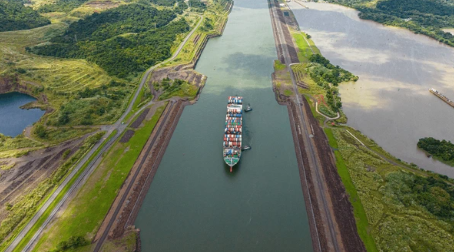
     

    Capture d’écran 2024-10-25 102947


    Decarbonization: An Urgent Need for the Maritime Industry

    The maritime sector, vital to global trade, is also one of the most polluting industries. The International Maritime Organization (IMO) has set an ambitious goal to reduce greenhouse gas emissions from the sector by 50% by 2050, compared to 2008 levels. To achieve this, companies must fundamentally rethink their processes, implementing technologies and solutions that encourage better resource management and reduced energy consumption.

    Digital twins like TESSERACT are pivotal in this effort. By providing an overview of operations in real-time, this technology allows inefficiencies to be identified and different scenarios to be simulated for fuel optimization, predictive maintenance, and reduced downtime. Furthermore, TESSERACT enables low-carbon solutions to be integrated from the design phase, which is essential to meet new regulatory and environmental standards.

    How TESSERACT Contributes to Reducing the Carbon Footprint

    TESSERACT is distinguished by its ability to use real-time data to create highly accurate simulations. This allows ship operators and builders to predict vessel performance under various conditions, optimize design, and reduce the resources needed for operation. For instance, through predictive modeling, it becomes possible to anticipate mechanical failures before they occur, reducing both maintenance costs and downtime.

    One of the most innovative aspects of TESSERACT is its ability to handle point clouds and detailed 3D models, allowing for an extremely precise representation of a ship down to millimeter scale. This precision is crucial for improving energy efficiency. By simulating different engine configurations, hulls, or other critical systems, engineers can identify the most efficient ways to reduce fuel consumption.

    Additionally, TESSERACT enables the environmental impact of design choices to be analyzed. For instance, by simulating the use of more environmentally friendly materials in ship construction, the digital twin allows builders to make informed decisions that reduce the carbon footprint across the ship’s entire lifecycle.

    The Role of Predictive Maintenance in Sustainability

    Predictive maintenance is one of the cornerstones of cost and environmental impact reduction in the maritime sector. With vessels at sea for weeks or even months at a time, maximizing operational efficiency and minimizing unscheduled maintenance interventions is crucial. By integrating predictive maintenance into TESSERACT, AERYS enables shipowners and operators to monitor asset performance in real time.

    This proactive monitoring, combined with historical and real-time data analysis, allows for early detection of mechanical failures before they occur. Operators can thus schedule interventions at the most opportune time, reducing not only operating costs but also the risk of accidental pollution or fuel leaks. This level of precision and anticipation directly contributes to reducing the carbon footprint of maritime operations.
     

    Capture d’écran 2024-10-25 103021


    A Flexible, Scalable Technology

    TESSERACT is not limited to a specific use case; its flexibility and interoperability make it applicable to a wide range of industries, particularly those that require complex processes and careful resource management. In the maritime sector, this interoperability allows teams to collaborate on a single platform, even when geographically dispersed.

    One of TESSERACT’s key advantages is its ability to operate offline, allowing ship operators to access critical information even while at sea, without an internet connection. This ensures that decisions can be made quickly, without service interruptions, a crucial asset in the dynamic environment of the maritime industry.

    A Green Future for the Maritime Sector

    The energy transition of the maritime sector is underway, and innovative solutions like TESSERACT play a central role in this transformation. By optimizing energy consumption, facilitating predictive maintenance, and improving team collaboration, the digital twin reduces the carbon footprint while increasing operational efficiency.

    The challenges are numerous, but with tools like TESSERACT, the maritime industry has the means to achieve decarbonization targets set by international regulators. By adopting this technology, maritime companies can not only reduce their environmental impact but also gain a competitive advantage in an increasingly sustainability-driven global market.

    In short, TESSERACT represents the convergence of digital innovation and the urgent need to transform the maritime industry into a cleaner, more sustainable sector. The path to a decarbonized maritime future is complex, but it’s paved with opportunities enabled by technologies like this, which contribute to building a more environmentally friendly world.
  • From CAD to Digital Twins: Why the Naval Industry is Embracing 3D Technology

    From CAD to Digital Twins: Why the Naval Industry is Embracing 3D Technology

    The naval industry, with its complex demands and technical challenges, is undergoing a significant digital transformation. Traditionally, naval projects have relied heavily on computer-aided design (CAD) tools, using 2D and 3D plans for ship modeling. While effective, these methods are now reaching their limits in terms of optimization, collaboration, and maintenance. In this evolving landscape, digital twins, powered by innovative solutions like SmartShape, are stepping in to redefine the industry’s standards.

    From CAD to a Broader Vision

    CAD has long been the cornerstone of naval design, enabling the creation of detailed models, but it remains a static tool. CAD models often require complex exchanges between different stakeholders, with the risk of inconsistencies or delays in information sharing. For shipyards, these inefficiencies can result in costly delays and resource misallocation.

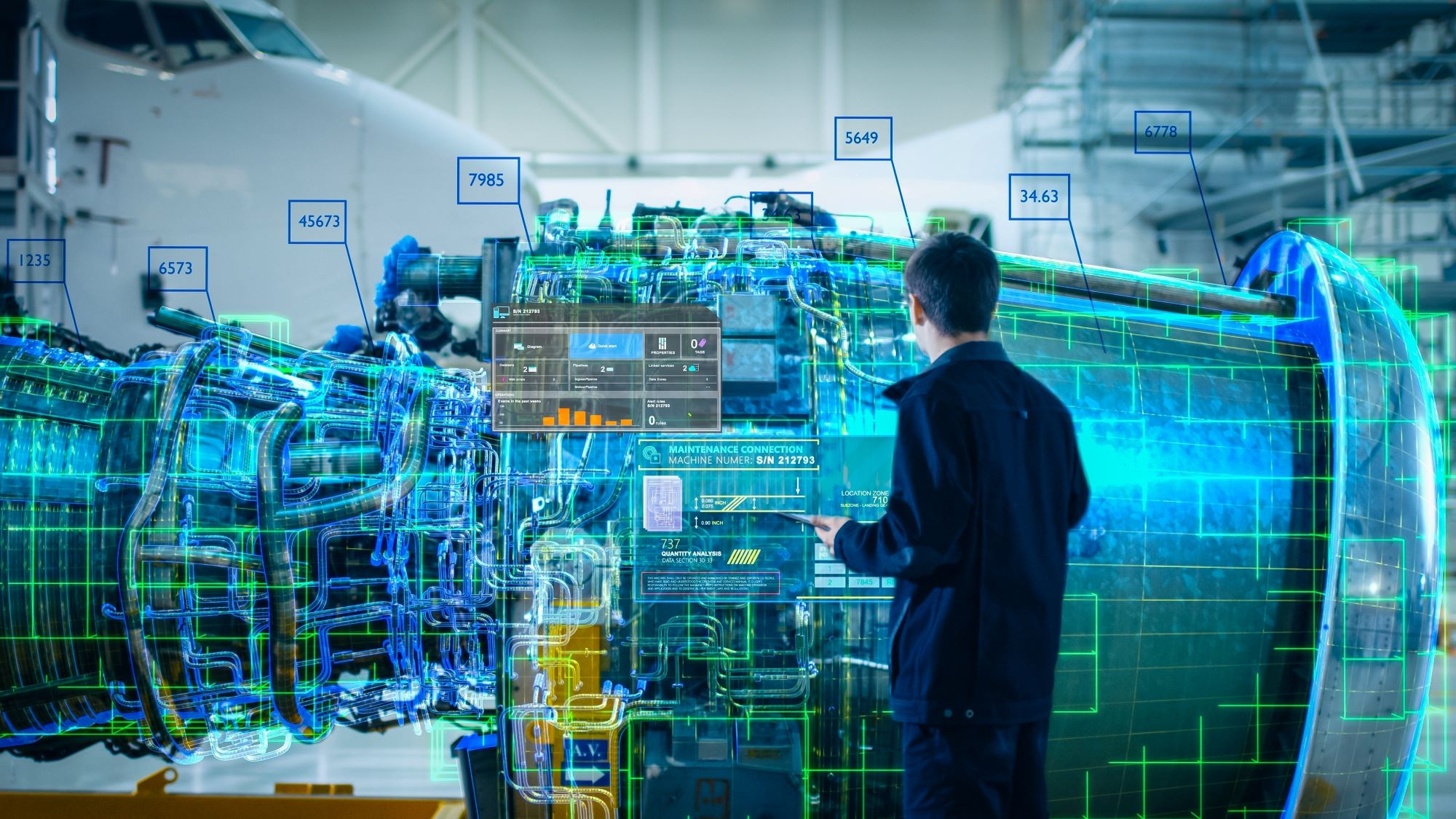
    A digital twin, on the other hand, offers a dynamic and collaborative vision. More than just a 3D representation, a digital twin is a virtual replica connected to real-time data, integrating design, manufacturing, maintenance, and management processes. This evolving model centralizes all technical and operational information about a vessel in a shared space, accessible to all project stakeholders and updated in real-time.

    Why Digital Twins Are a Game-Changer for the Naval Industry

    The naval industry faces unique challenges, from building increasingly complex vessels to maintaining aging fleets. In this context, digital twins offer strategic advantages for several reasons:

    1. Enhanced Collaboration
      Digital twins enable real-time collaboration between engineering teams, project managers, and shipyard operators. All stakeholders have access to a single source of truth, eliminating information silos. This leads to faster, more informed decision-making and reduces errors caused by outdated information.
    2. Optimized Maintenance Processes
      By integrating sensors and AI systems, digital twins facilitate predictive maintenance. They allow operators to anticipate breakdowns, optimize maintenance schedules, and reduce the downtime of vessels. Maintenance becomes proactive rather than reactive, directly improving operational availability.
    3. Cost and Time Reduction
      Offering an integrated and up-to-date view of every aspect of a project, digital twins help reduce construction and maintenance timelines. By identifying inconsistencies or design errors earlier in the process, they can be corrected before they have major impacts on the project. This translates to substantial savings in both time and money.
    4. Increased Safety
      By simulating different configurations or analyzing system performance under real conditions, digital twins help improve the safety of vessels and their crews. They also allow complex scenarios to be tested virtually before physical implementation, reducing risks.


    Jumeau numérique et IA


    SmartShape: Leading the Way in Naval Innovation

    SmartShape is at the forefront of this digital transformation in the naval industry. Its digital twin solution not only replaces paper plans and CAD models with collaborative 3D virtual replicas, but also connects these models to intelligent systems and complex databases. With centralized and real-time management of information, SmartShape helps naval industry stakeholders streamline their processes, enhance the security of their operations, and improve overall efficiency.

    The Future of Naval Industry is Digital

    By leveraging digital twins, the naval industry is undergoing a true technological revolution. This shift to 3D, beyond basic CAD modeling, opens the door to major innovations in design, maintenance, and operations. With solutions like SmartShape, industry players now have the tools to meet the challenges of the future and increase their competitiveness in an increasingly demanding global market. Digital twins are no longer just a trend—they have become a necessity for the future of the naval industry.

  • Reducing Operational Costs with Digital Twins in Industry

    Reducing Operational Costs with Digital Twins in Industry

    In the modern industrial world, operational efficiency and cost reduction are paramount priorities. Companies are constantly seeking innovative ways to optimize their processes and improve profitability. Digital twins, particularly the SmartShape solution, represent a major technological advancement that enables these objectives. This article explores how SmartShape helps reduce operational costs through its advanced features and seamless integration into various industrial sectors.

    Optimiser_ses_couts_enhanced

    What is a Digital Twin?

    A digital twin is a virtual replica of a physical process, product, or service. This technology allows for the simulation, analysis, and prediction of the behavior and performance of its physical counterparts. In other words, a digital twin provides a detailed, real-time digital view of physical objects and systems, enabling proactive management and informed decision-making.

    With SmartShape, this simulation becomes not only more precise but also more intuitive and collaborative. The SmartShape platform centralizes complex data and makes it comprehensible through clear and accessible visualizations. This enables companies to better manage their resources and continuously optimize their operations.

    Maintenance_predictive_enhanced

    Predictive Maintenance: Anticipate to Manage Better

    One of the most promising applications of digital twins is predictive maintenance. Traditionally, companies perform preventive maintenance on a fixed schedule or react to failures as they occur. These approaches can lead to high costs, either due to excessive maintenance or unplanned downtime.

    Thanks to the integration of artificial intelligence and data analysis capabilities, SmartShape enables precise predictive maintenance. By monitoring the conditions and performance of equipment in real time, SmartShape can anticipate potential failures and recommend interventions before they cause disruptions. This reduces unplanned downtime, extends equipment life, and minimizes maintenance costs.

    Process Optimization: Improving Efficiency

    SmartShape’s digital twins also offer a tremendous opportunity for process optimization. By simulating different operational scenarios, companies can identify inefficiencies and test solutions without interrupting real operations. This simulation capability allows for continuous optimization and significant reduction in waste and losses.

    For example, a manufacturing company can use SmartShape to model and analyze its production process. By identifying bottlenecks and friction points, the company can adjust its procedures to improve workflow, increase productivity, and reduce costs.

    Enhanced Collaboration: Working Together, Better

    Collaboration is essential for any organization, especially when it comes to complex projects involving multiple stakeholders. SmartShape offers a collaborative mode where all stakeholders can access and interact with the digital twin in real time. This facilitated collaboration enables quick and informed decision-making, reducing delays and communication costs.

    Imagine a naval construction project where engineers, architects, and project managers work together. With SmartShape, they can all view the same 3D model of the ship, make real-time modifications, and synchronize their efforts. This reduces communication errors, avoids delays, and ensures everyone works from the same up-to-date information.

    planification_et_coordination_enhanced

    Planning and Coordination: Seeing to Forecast

    The visualization of complex data in 3D is another major advantage of digital twins. With SmartShape, companies can improve the planning and coordination of their projects. Teams can better manage resources, anticipate needs, and avoid costly delays.

    For example, during the construction of a new industrial facility, teams can use SmartShape to create a detailed 3D model of the facility. This allows for efficient planning of material use, coordination of different trades, and anticipation of potential problems before they occur. This proactive approach reduces costs and improves the overall efficiency of the project.

    Case Studies: Concrete Successes

    Chantier de l’Atlantique

    The adoption of SmartShape by Chantier de l’Atlantique is a concrete example of how digital twins can reduce operational costs. Before implementing SmartShape, the company used 2D paper plans for ship construction. This method was not only labor-intensive but also prone to errors and inefficiencies.

    By adopting SmartShape, Chantier de l’Atlantique replaced paper plans with a collaborative 3D digital twin. This significantly reduced errors, improved team coordination, and decreased operational costs. More than 10 ships were efficiently built using this technology, demonstrating the tangible benefits of the digital approach.

    Suez

    Another example is Suez’s application of SmartShape for managing its sewer network. By modeling the network in photogrammetry, Suez optimized intervention management and reduced maintenance and safety costs. The hybrid digital twin enabled fast 3D streaming and efficient management of over 400 km of network.

    Thanks to SmartShape, Suez was able to manage knowledge and prepare interventions more effectively, improve quality, health, safety, and environment (QHSE), and optimize costs. The speed of 3D streaming, up to 200 times faster, allowed real-time visualization and quick decision-making.

     A Solution for the Future

    Integrating SmartShape’s digital twins into industrial processes represents a major advancement in reducing operational costs. By centralizing data, facilitating collaboration, and enabling continuous optimization, SmartShape helps companies achieve maximum operational efficiency.

    For industrial companies, adopting SmartShape means not only reducing costs but also staying competitive in an increasingly technological environment. By leveraging the capabilities of digital twins, companies can transform their operations, improve profitability, and prepare for the future.

    To learn more about how SmartShape can transform your business, visit our website or contact our team of experts. Adopt SmartShape and get ahead in Industry 4.0!

  • How SmartShape Facilitates Multi-Stakeholder Project Management

    How SmartShape Facilitates Multi-Stakeholder Project Management

    Managing multi-stakeholder projects is a complex task that requires effective coordination, clear communication, and precise data management. With the multitude of stakeholders, tasks, and responsibilities, it becomes essential to have robust tools to navigate this complexity. SmartShape is an innovative solution that simplifies these challenges by centralizing data and facilitating real-time collaboration. In this article, we will explore how SmartShape transforms the management of multi-stakeholder projects.

    I. The Challenges of Multi-Stakeholder Projects

    1. Complexity of Coordination
      • Multi-stakeholder projects often involve geographically dispersed teams, each with specific tasks and responsibilities. Coordinating these teams to work harmoniously together is a major challenge.
    2. Communication Problems
      • Communication between different stakeholders can be complicated. Information must be exchanged precisely to avoid misunderstandings and misinterpretations that can delay the project.
    3. Data Management
      • Complex projects generate a large amount of data. Centralizing this data to make it easily accessible and secure is crucial for the project’s success.

    Cooperation 3

    II. Introduction to SmartShape

    1. What is SmartShape?
      • SmartShape is a software solution for connected, programmable, and collaborative digital twins. This industrial metaverse allows the collection and visualization of complex data in a comprehensible and accessible manner.
    2. Specific Benefits for Multi-Stakeholder Project Management
      • Data Centralization: SmartShape offers a unique platform where all project information is centralized, eliminating information silos.
      • Universal Accessibility: Compatible with various CAD software, SmartShape ensures that all stakeholders can access data from any device.

    III. How SmartShape Simplifies Coordination

    1. Centralization of Information
      • By centralizing all relevant information into a single source of truth, SmartShape eliminates duplicates and inconsistencies. Teams can collaborate more effectively, always having access to the latest project updates.
    2. Real-Time Tracking
      • SmartShape enables real-time tracking of project progress, with instant updates accessible to all stakeholders. Whether online or offline, teams can collaborate seamlessly and responsively.

    IV. Improving Communication

    1. Integrated Communication Platform
      • SmartShape integrates chat and messaging features, facilitating communication between teams. Documents can be shared and annotated in real time, reducing the risk of misunderstandings.
    2. Transparency and Traceability
      • With modification and decision history, SmartShape offers total transparency. Each stakeholder can see who did what and when, enhancing trust and accountability.

    V. Effective Data Management

    1. Data Security
      • SmartShape uses advanced security protocols, such as AES encryption, to protect data. This approach ensures that sensitive information is always secure, even in multi-stakeholder environments.
    2. Accessibility and Compatibility
      • Data stored in SmartShape is accessible from any device compatible with web standards, facilitating the work of dispersed teams. Moreover, SmartShape is compatible with various file types and software, simplifying data integration.

    VI. Case Study: Successful Application of SmartShape

    1. Project Presentation
      • Chantier de l’Atlantique used SmartShape to replace 2D paper plans with a collaborative 3D digital twin. This ambitious project involved over 10 ships built, 3 million unique elements, and 1000 users via Active Directory.
    2. Implementation of SmartShape
      • By integrating SmartShape, the shipyard was able to centralize all information and improve coordination between teams. The results were significant: cost reduction, improved efficiency, and deadlines met.
    3. Stakeholder Testimonials
      • SmartShape users reported a notable improvement in collaboration and a reduction in errors thanks to data centralization and increased transparency.

    In summary, SmartShape offers a comprehensive solution to overcome the challenges of managing multi-stakeholder projects. Its ability to centralize data, improve communication, and ensure data security makes it an indispensable tool for modern industries. If you are looking to optimize your multi-stakeholder projects, SmartShape is the solution you need. To learn more, visit SmartShape.

    Cooperation 2

    FAQ

      • Q: How does SmartShape ensure data security?
        • A: SmartShape uses advanced encryption protocols to ensure that all data is secure.
      • Q: Is SmartShape compatible with all CAD software?
        • A: Yes, SmartShape is compatible with all major CAD software, including Catia, SolidWorks, and Revit.
  • Bureau Veritas operates classification on 3D model with SmartShape.

    Bureau Veritas operates classification on 3D model with SmartShape.

    As a global leader in certification, Bureau Veritas has chosen SmartShape to digitize its ship classification process. The multiple back-and-forths with design offices are a thing of the past; the certification body now performs ship classification based on a single 3D model.

    Bureau Veritas: A Global Player in Certification

    Founded in 1928, Bureau Veritas (BV) is a company specializing in testing, inspection, audit, and certification. It operates across numerous sectors such as agri-food and agriculture, infrastructure and construction, health, raw materials, energy, and shipbuilding.

    With a presence in 140 countries, BV has 84,000 employees, of which 2,600 work in the Marine & Offshore activity. Their role is to ensure the compliance of ships (both under construction and in service), offshore platforms and units, as well as maritime equipment.

    BV Marine & Offshore contributes to safety at sea and provides technical expertise to assess and manage risks and improve the performance of its clients.

    Addressing the Challenge of Information Sharing in the Classification Process: The Case of Chantiers de l’Atlantique

    BV Marine & Offshore assists the design offices of Chantiers de l’Atlantique in the classification (design verification) of its marine assets. The key outcome is the acquisition of operating licenses for these assets and the assurance of their operational efficiency and compliance with international regulations.

    This phase is critical as the consequences of poor ship design can be severe: high operating costs, reduced operational lifespan, accident risks, etc. That’s why stakeholders in this type of project (builder, shipowner, insurer, etc.) trust BV’s expertise to guarantee the quality of the ships.

    As part of the classification process for ships under construction, Bureau Veritas experts are tasked with analyzing plans designed by naval construction engineers. However, the complexity of these projects places the issue of information sharing at the heart of the classification process.

    Optimizing the Classification Process (Design Verification)

    The classification process mainly relies on the review conducted by experts during the design and shipbuilding phases. Before using SmartShape, BV operated through an iterative loop process with Chantiers de l’Atlantique:

    1. The shipyard’s design offices produce their 3D models in CAD.
    2. These 3D models are converted into 2D blueprints and transmitted to BV.
    3. BV performs its analyses and calculations and then sends the updated blueprints back to the design offices.
    4. The design offices produce new 3D models.
    5. These new models are in turn converted into 2D blueprints and sent back to BV for analysis.
    6. Etc.

    This process is particularly lengthy since it involves producing new versions of the documents (3D models and 2D plans) at each step. Moreover, this abundance of documents requires ensuring that every project participant has access to the correct version of the document, which mechanically increases the risk of errors due to poor synchronization.


    Certification Bureau Veritas - SmartShape

    The adoption of SmartShape has enabled Bureau Veritas Marine & Offshore and the Chantiers de l’Atlantique to rethink information sharing and to radically simplify the classification process by carrying out all operations on a single 3D model.

    Perform classification on a single 3D model

    Bureau Veritas is the first classification society to do away with 2D plans. With SmartShape, the classification process is conducted directly on the 3D model: all experts – regardless of their discipline – work on the same model at the same time.

    BV Marine Offshore performs its calculations and analyses directly on the 3D model designed by the Chantiers de l’Atlantique. The fact that there is no need to generate a blueprint significantly speeds up the process, both for the shipyard and for BV.

    Furthermore, SmartShape serves as a unique, persistent repository that aggregates all project data in real-time. BV and its clients share a single source of truth, which improves product quality by avoiding the inconsistencies inherent in multiple drawing revisions.

    Optimize collaborative work on the 3D model

    Working on a unique 3D model facilitates collaboration between BV experts and its clients, taking into account existing tools and processes.

    A universal solution and a custom configuration

    SmartShape has adapted to the specificities of the IT ecosystem of Bureau Veritas, especially in terms of collaboration and document management. In this case, it was essential to link SmartShape to its Document Management System (DMS) which is not designed for 3D plan visualization.

    SmartShape has configured and integrated the tool so that BV can use the 3D model and its DMS software in parallel. Experts can thus easily communicate information to clients, who view the comments directly on the 3D model.

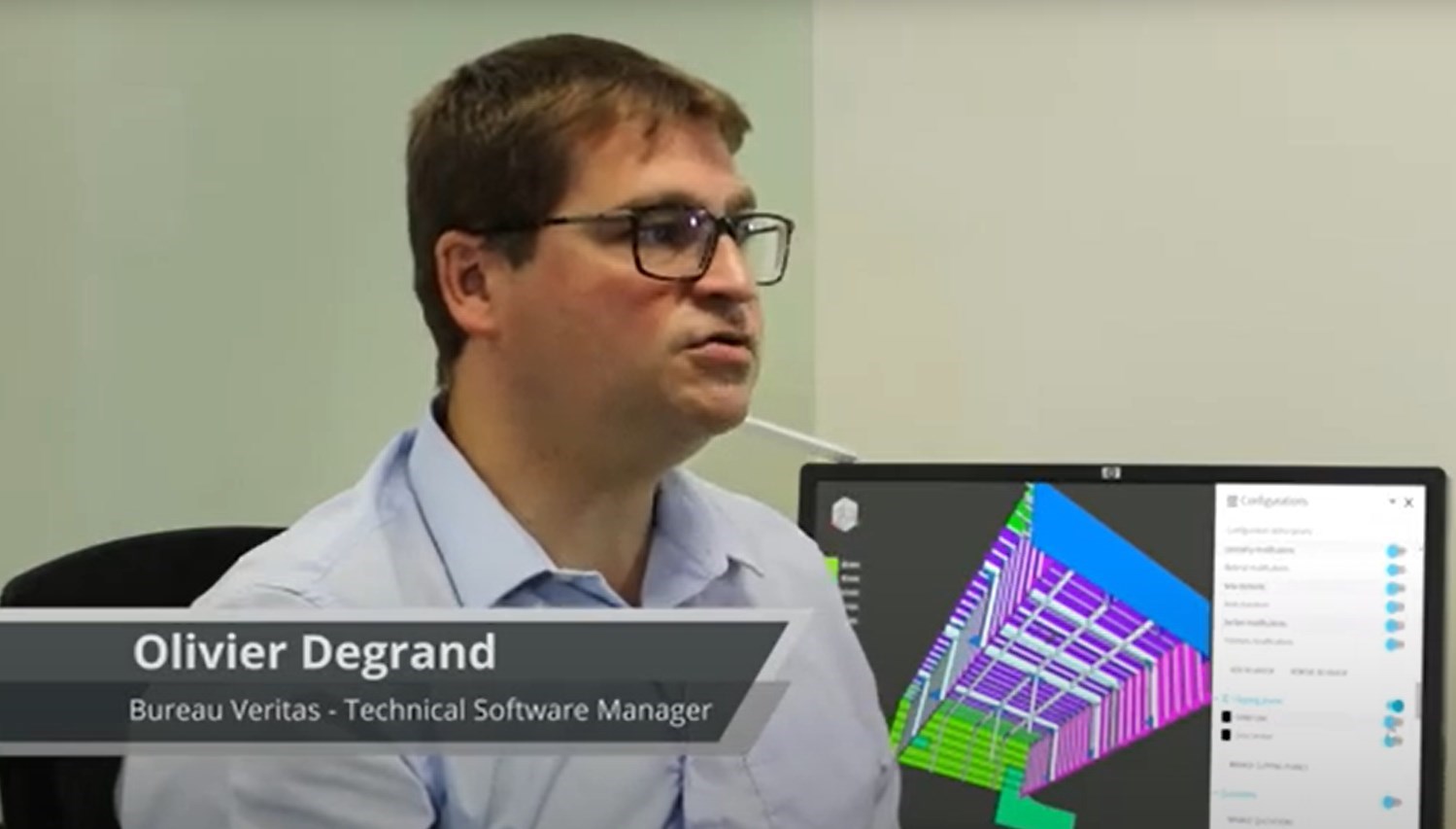
    “The use of the 3D model improves the quality of data and exchange with our clients. Thanks to this, we save time and enhance the sharing of information among the various project stakeholders. On the shipyard side, the classification process avoids the generation of 2D plans and thus reduces the workload of the shipyard and the associated costs.” According to Olivier Degrand, Naval and Offshore Structural Engineer at Bureau Veritas.

    Olivier Degrand - Bureau Veritas

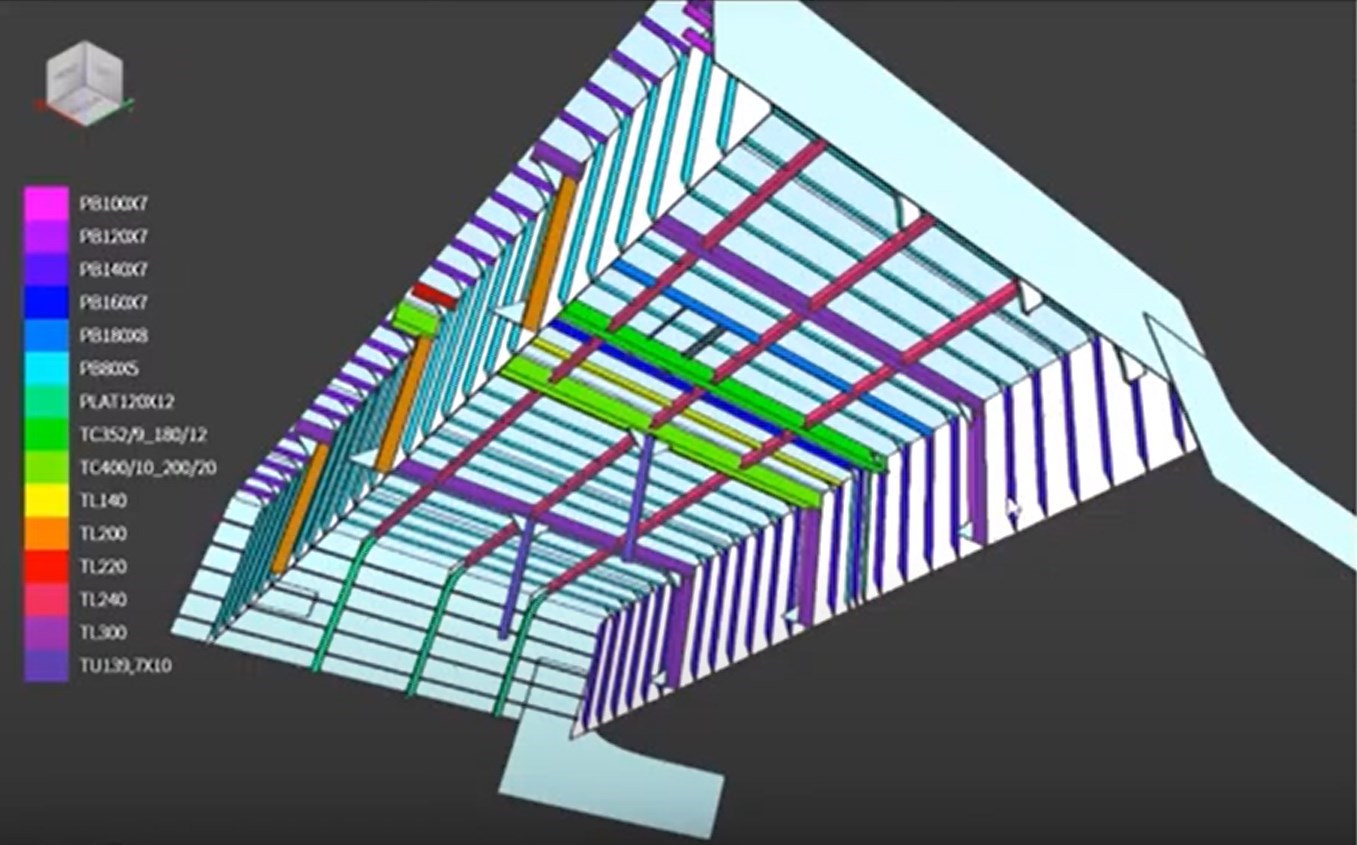
    In its approach to 3D classification, Bureau Veritas introduces a new concept called “BV Classification Status,” which indicates for each element, the progress of the design review in real time. With the color code in the SmartShape viewer, designers or shipyards can easily identify whether the design complies with Bureau Veritas rules or not.


    SmartShape: a solution dedicated to industry stakeholders

    SmartShape enhances information sharing and collaborative work efficiency by combining 3D modeling, collaborative platform, and digital twin technologies.

    SmartShape meets the specific needs of industrial enterprises:

    • A self-hosted solution that combines the agility of SaaS with the security of On-premise environments.
    • A universal and customizable solution: SmartShape supports over 50 file formats in 2D and 3D (both standard and proprietary) and integrates with all IT environments. Its open API (with over 75 endpoints) allows you to program the platform according to your needs (files, configuration, attributes, etc.). Furthermore, the SmartShape 3D engine is open source, ensuring transparency and benefiting the longevity and security of your project.
    • A 3D model incorporating all data produced by project participants via the SmartShape API (3D files, 2D blueprints, photogrammetry, point clouds, Excel, etc.). The assembly of this information forms the shape of your project. During the operational phase, data captured on the asset is transmitted to the model, turning it into a true digital twin.
    • A tool that integrates all your business processes (plan review, quality, progress, testing, etc.) to add a layer of intelligence (smart) to your model.
    • A real-time collaborative platform: when annotations or enhancements are made to the model, all teams have immediate access.
    • An offline mode for accessing sometimes very large 3D models in environments without internet access (e.g., within the metal structure of a ship or in the basements of an infrastructure).
    • Military-grade encryption to protect sensitive data.
    • Support throughout your engineering project by a team of experts.

    With SmartShape, Bureau Veritas has profoundly transformed its classification process by simplifying information flows with Chantiers de l’Atlantique. The time savings and quality improvements benefit everyone, throughout the life cycle of the ships.

    This leap forward made by major industry players attests to the relevance of SmartShape in meeting the challenges of information sharing in industrial projects.

  • Overcoming obstacles to digital transformation in the industry

    Overcoming obstacles to digital transformation in the industry

    Digital transformation is a path paved with difficulties, but it’s the only possible way to avoid falling behind the competition. In the industrial sector, the obstacles are proportional to the promises of Industry 4.0 and the plethora of underlying technologies: IoT, AI, virtual reality, blockchain, digital twin…

    However, before being a technological issue, digital transformation is primarily based on the human factor and the diffusion of a culture of innovation, as well as on informed strategic choices.

    Putting the human factor at the heart of every transformation project

    Understanding and Overcoming Resistance to Change

    The biggest mistake one can make in the context of a digital transformation project is to neglect the importance of the human factor in its success. Reducing a project to its technological components amounts to omitting a fundamental variable from the equation: human psychology. Because in the end, it’s the team members who will bring to life the tools, methods, and processes that you put in their hands. In other words, the success of the project as a whole largely depends on how well you’ve managed to gain everyone’s support.

    SmartShape - bénéfices innovation industrielle

    The enemy of innovation in business is resistance to change. And to defeat this adversary, it is essential to identify it in all its forms and understand its mechanisms. Here is a non-exhaustive list of obstacles you must overcome to make an innovative project successful in a business setting:

    • Lack of consultation: The feeling of having no say in the digital transformation process can generate resistance. To avoid this, it is important to involve employees from the beginning of the process, for example during the demonstration of a digital tool. This can strengthen their sense of belonging to the company and their commitment to the solution.
    • Bad communication: Knowing how to get a message across to a team is an art that must be mastered to ensure successful change management. Team members need to understand the ‘why’ and the ‘how’ of a project in order to buy into it. What is the objective of this project? How will it affect their daily work? Open, honest, and regular communication can help overcome this barrier.
    • Fear of the unknown: It is natural to be wary of what we do not know. To counter this fear, it is essential to continuously educate team members about new tools and methods.
    • Mistrust towards a technology: ‘gadget,’ ‘fad,’ ‘mirage’… an innovation is not fully accepted until its added value is demonstrated. To overcome this healthy skepticism, demonstrations and trials are better than long speeches.
    • Lack of skills: The arrival of a new tool can create a feeling of discomfort, particularly among employees who are less receptive to digital technology. And for good reason, no one likes to feel overwhelmed. Appropriate training and ongoing support are essential to help employees acquire the necessary skills..
    • Lack of stability and fatigue: innovating does not mean ‘flip-flopping.’ Digital transformation requires a certain level of stability to avoid creating a fatigue of change. To limit this resistance, it is essential to introduce changes in a gradual manner.

    In industry as well as in other sectors, it is essential to understand the psychological barriers that hinder individuals’ acceptance of change. At the organizational level, and from a structuring perspective, digital transformation involves establishing a culture of innovation.

    Establish a culture of innovation

    Adopting new technologies is not limited to acquiring tools or technical skills; it also involves changing mindsets and work habits. And this change starts with leadership: the senior executives of the company or of a multi-stakeholder project must be committed to innovation by supporting innovative initiatives, valuing new ideas, and encouraging risk-taking.

    More broadly, establishing a culture of innovation requires encouraging each member of the company to consider the possibilities offered by digital technology and to contribute to their implementation. This means creating an environment where new ideas are valued, experimentation is encouraged, and failures are seen as learning opportunities rather than faults.

    To do this, it is essential to raise awareness and train employees in digital innovations. Workshops, seminars, and training courses can be organized to enable employees to discover and understand new technologies, their challenges, and opportunities.

    Develop a digital strategy to address the challenges of Industry 4.0

    In the face of the economic challenges of digital transformation, industrial companies cannot afford to navigate blindly. Developing a digital strategy is essential for having a clear understanding of the investments to be made and the actions to put in place to make them profitable through teams.

    SmartShape - stratégie numerique industrie

    Prioritize projects that maximize return on investment

    Digital transformation is a process that can be extremely costly in terms of time and resources. In this context, making poor investment choices can prove to be detrimental. That’s why it is crucial to prioritize projects that offer the best return on investment. This strategic approach begins with an objective evaluation of the current state of the company and the identification of high-potential use cases.

    In this perspective, the focus should be on technological tools that optimize the dissemination of information and collaborative work, which are two major areas for improvement in industrial projects across all sectors. Through these types of tools, the strategic objective should be to catalyze operational efficiency. Collaborative platforms, real-time information management systems, and intelligent automation technologies, for example, can reduce errors, increase response speed, and improve overall productivity.

    The implementation of collaborative solutions can eliminate communication bottlenecks and improve coordination between teams. This allows aligning everyone’s efforts toward common goals and improving operational efficiency. Additionally, increased transparency and real-time access to information enable quicker and more accurate decision-making.

    Similarly, the integration of AI-based automation tools allows for the identification and elimination of inefficiencies in existing processes. This type of technology can help your teams analyze performance data in real time to identify problems before they become critical, thereby reducing the risk of errors and time loss.

    Supporting transformation by accompanying the teams.

    SmartShape-formation-et-digitalisation

    In any case, for digital transformation investments to bear fruit, dedicated support for teams is essential. This first involves promoting the dissemination of the skills required for the implementation of adopted solutions. Depending on factors such as cost, time, and the complexity of the technology to be adopted, this may require the hiring of new talents or the training of existing teams in the use of these new tools.

    Next, the judicious allocation of resources—whether human, material, or financial—is an essential condition for facilitating the implementation of digital transformation. This requires anticipating future needs, strategically planning expenditures, and ensuring that all resources are employed in the most efficient manner.

    The digital transformation in the industry relies primarily on the human factor and the dissemination of a culture of innovation, as well as on a clear strategy. To make the most of technologies such as AI, collaborative platforms, digital twins, or virtual reality, it is essential to focus on return on investment and to overcome resistance to change by involving teams in this transformation.

  • Meeting the challenge of the “paperless construction site” thanks to the digital twin

    Meeting the challenge of the “paperless construction site” thanks to the digital twin

    Information sharing is at the heart of the digital transformation of businesses, and this issue is particularly pressing in the industrial sector: given the avalanche of data that each industrial project generates, traditional methods designed around the concept of documents prove to be ineffective. Managing complexity requires a more agile approach.

    To avoid the pitfalls of information fragmentation in industrial projects, it is necessary to rethink information sharing and move from exchanging documents (paper or digital) to collaborative work on a digital twin. Focus on a fundamental issue for the management of industrial projects.

    From data silos to information fragmentation.

    The volume of data produced within the framework of an industrial project is immense. Historically, this data produced for an industrial project only existed in paper form: specifications, project description, budgetary status… and of course the drawings and models, among which we find the famous blueprints.

    The development of computing has transformed the management of information in industrial projects, bringing as many solutions as new problems. The generalization of 3D modeling has greatly enriched the design phase, but has led to a multiplication of file formats: OBJ, FBX, COLLADA, 3DS, IGES, STL, OCX, 3DXML… to name just a few! The reason for this is the profusion of software on the market, meeting the varied needs of all industrial sectors.

    In parallel with this digital expansion, the paper document still exists. For example, during the classification phase, the 3D models created in CAD are transposed into 2D blueprints for analysis and calculations, which then lead to new 3D models, which are in turn transposed into 2D… These lengthy iterative processes between design offices and classification bodies multiply the number of versions, and therefore the design time and the risk of errors.

    In short, digital transformation has resulted in the development of data silos, leading to information fragmentation. For these reasons, information sharing in industrial projects is characterized by great complexity: data of heterogeneous quality are locked away in countless file versions, which are scattered throughout the information systems of the project’s participants.

    The solution to this problem lies in rationalizing information sharing. This is precisely what a collaborative digital twin allows to do.

    sans papier et jumeau numérique

    The collaborative digital twin: the cornerstone of the “paperless” construction site

    The digital transformation of industrial project management goes far beyond the issue of paper or computer support for documents. Beyond environmental issues in which the “paperless” goal is set, it’s about addressing the challenges of information sharing and facing the challenges related to the complexity of modern industrial sites.

    From this perspective, the digital twin, designed as a collaborative work platform, represents a paradigm shift in information management within industrial projects.

    A persistent single repository: a single source of truth.

    Designed as a single workspace, the collaborative digital twin integrates all project data, regardless of their producer and format. Design offices, subcontractors, suppliers… all project stakeholders enrich the digital twin with the data they produce.

    And since there is only one digital twin that is updated in real time, it serves as a persistent unique reference. All users view the same copy and constantly work on the “original”, considered as the single source of truth.

    The lack of fragmentation over time ensures that the consulted data is always up to date: each party can work in parallel without creating any “interference” on the digital twin. This approach also eliminates the problem of dead data: all additions and enrichments are made directly in the unique repository.

    Finally, organizing an industrial project on a collaborative digital twin allows data to be centralized and therefore protected against risks of loss, theft, or accidental or intentional destruction, thus providing guarantees of continuity and confidentiality.

    Visualize all dimensions of the data.

    Unlike traditional methods of information sharing, the digital twin allows for visualizing all dimensions of a project. While paper is limited to 2D and digital documents to 3D, the digital twin incorporates all project dimensions: spatial dimensions (X, Y, Z), but also time, budget, materials, thicknesses, etc. The collaborative digital twin is not just an evolving 3D model; it’s a platform integrating all project data.

    This multidimensional approach to the industrial project provides dynamic visualization: the user chooses the display modalities based on the task at hand and its specifics. The collaborative digital twin also paves the way for immersive visualization, allowing non-technical operators on-site to view information they need in augmented or virtual reality.

    Unlocking the potential of real-time collaborative work.

    The collaborative digital twin reveals the true potential of collaborative work. By allowing direct exchanges between the different stakeholders, it breaks down traditional silos and maximizes the quality of the information exchanged. The result?

    This organization encourages direct exchanges in the form of quick iterations and maximizes the quality of the information exchanged. The absence of duplicates significantly reduces repetitions, errors, and rework, leading to a notable optimization of operational efficiency.

    The digital transformation of the industrial sector is not just about moving from paper to digital. It calls for a rethinking of information management. The collaborative digital twin, by offering a unique and reliable source of data, allows us to surpass the limitations of traditional methods. Its ability to integrate and visualize all dimensions of a project, combined with its potential for real-time collaborative work, make it a valuable tool to remain competitive and meet the challenges of Industry 4.0.

  • SmartShape joins GICAN and becomes a member of the association

    SmartShape joins GICAN and becomes a member of the association

    SmartShape joins GICAN and becomes a member of the association.

    We are thrilled to announce that SmartShape, the digital twin software solution, is now a member of the Groupement des Industries de Construction et Activités Navales (GICAN). This integration within the GICAN marks a significant milestone for SmartShape and demonstrates our commitment to contribute to the growth of the naval industry.

    GICAN is an association that brings together the major players in the naval industry in France. It promotes cooperation, innovation, and competitiveness among sector companies. By joining GICAN, we position ourselves at the heart of a network of experts and key partners, which will strengthen our ability to meet the specific needs of the naval industry.

    SmartShape provides a comprehensive solution for connected, programmable, and collaborative digital twins, designed to meet the requirements of the naval, military, energy, water treatment, and aerospace industries. With our innovative approach, we simplify the management of complex data and make information visual and accessible to all project stakeholders.

    By joining GICAN, we reinforce our commitment to supporting the naval industry in its digital transition. We look forward to collaborating with GICAN members to develop innovative solutions and contribute to enhancing the competitiveness and efficiency of sector companies.

    SmartShape is committed to valuing existing data without changing tools, offering compatibility with CAD software (Catia, SolidWorks, Revit, Microstation…) and data sources (PLM, PDM, MES, spreadsheets, sensors…). Our solution is based on web standards and is accessible via a web browser, without any installation or download required.

    We also want to emphasize that data security and sovereignty are fundamental aspects of our approach. SmartShape offers a portable and reversible solution, where software and data are hosted on dedicated servers provided by our clients, with military-grade security. Furthermore, we use advanced encryption techniques to protect data at rest and in transit.

    Joining GICAN is an important step for SmartShape, which will allow us to actively contribute to the digital transformation of the naval industry. We look forward to collaborating with GICAN members to promote innovation, share our expertise, and jointly face the industry’s challenges.

    To learn more about SmartShape and our digital twin solutions, visit our website at the following address: https://smartshape.com/

    Stay tuned to discover our upcoming advances and collaborations within GICAN!


    téléchargement

  • SmartShape in the Naval sector

    SmartShape in the Naval sector

    Why is SmartShape used in the naval industry to design, manufacture, and maintain mega-projects?

    In the naval industrial sector, the design, manufacturing, and maintenance of megaprojects are major challenges. This is where SmartShape comes in, an innovative digital twin solution. SmartShape allows naval sector companies to enhance their productivity, efficiency, and profitability with advanced features. In this article, we will explore why SmartShape is widely used in the naval industrial sector to meet specific needs related to the design, manufacturing, and maintenance of megaprojects.

    The advantages of SmartShape in the naval industrial sector

    SmartShape offers numerous advantages to businesses in the naval industrial sector when it comes to designing, manufacturing, and maintaining mega-projects. Here are some of the main advantages:

    • Design optimization: SmartShape allows for 2D and 3D modeling, which facilitates the detailed design of ships and marine structures. Advanced features of SmartShape, such as photogrammetry, allow for the accurate capture and visualization of shapes and dimensions of elements to be designed.
    • Improved collaboration: SmartShape offers real-time collaboration tools that make teamwork and communication among different stakeholders easier. Teams can share information, collaborate on the same project, and track changes in real-time, promoting better coordination and more effective decision-making.
    • Error and cost reduction: Thanks to SmartShape, companies can detect and correct design errors faster, avoiding costly later revisions. Real-time visualization and SmartShape’s simulation features allow for the anticipation and assessment of potential impacts before manufacturing even begins, thereby reducing risks and associated costs.
    • Maintenance optimization: SmartShape facilitates the management and maintenance of naval mega-projects. By using digital twins, companies can monitor the condition of equipment in real-time, anticipate maintenance needs, and plan interventions more effectively. This optimizes maintenance operations, extends the lifespan of equipment, and reduces downtimes.
    • Classification: Classifying projects in the naval industrial sector is a crucial step to ensure compliance with current standards and regulations. In this area, renowned players such as Bureaux Veritas play a key role by providing classification and certification services. With the use of SmartShape, these players can optimize their classification processes by benefiting from the solution’s advanced features. SmartShape allows for the creation of precise and detailed digital twins of ships and marine structures, making it easier to assess their compliance with regulatory requirements. The data collected and analyses carried out via SmartShape enable classification actors to make informed decisions, save time, and improve the efficiency of their services. This collaboration between entities like Bureaux Veritas and SmartShape helps enhance the quality and safety of naval projects, thus ensuring the trust of industry clients and partners.
    • Adaptability and scalability: SmartShape is a scalable solution that can adapt to the specific needs of companies in the naval industrial sector. Whether for the construction of warships, merchant ships, or port infrastructures, SmartShape can be customized and configured based on the unique requirements of each project.


    En conclusion, SmartShape joue un rôle crucial dans le secteur industriel naval en offrant une solution complète et innovante pour la conception, la fabrication et la maintenance des mégaprojets. Grâce à ses fonctionnalités avancées, SmartShape permet d’optimiser la conception, de renforcer la collaboration, de réduire les erreurs et les coûts, d’optimiser la maintenance et de s’adapter aux besoins spécifiques des entreprises. Les avantages offerts par SmartShape font de cette solution un choix privilégié dans le secteur industriel naval pour garantir la réussite des mégaprojets.


    Porte Avion 2

    Frequently Asked Questions :

    • Is SmartShape compatible with existing design software? Yes, SmartShape is compatible with all commonly used design software in the naval industry, such as Catia, SolidWorks, Revit, Microstation, etc.
    • Can SmartShape be used for predictive maintenance of naval equipment? Absolutely! SmartShape allows real-time monitoring of equipment, facilitating predictive maintenance and helping to extend the lifespan of the equipment.
    • What types of megaprojects can benefit from SmartShape? SmartShape is suited for a wide range of naval megaprojects, whether it’s the construction of warships, merchant ships, offshore platforms, or port infrastructures.
    • How does SmartShape improve collaboration between teams? SmartShape offers real-time collaboration tools, allowing teams to work together transparently, share information, and coordinate their efforts more effectively.
    • Is SmartShape available on mobile platforms? Yes, SmartShape is available on mobile platforms, allowing easy access to features, even on the go.